Bluebird Grain Farms staff writer
Photo Credits: Amy Sandidge
The kitchen of food blogger and culinary photographer Amy Sandidge is exactly the kitchen you want to enter when you have a hankering for a snack. Feel like a ham and cheese pocket or some laminated pasta with edible flowers? Or is your sweet tooth demanding strawberry cake with lime buttercream frosting or raspberry swirl loaf? Either way, Sandidge has you covered. Better yet, she’ll incorporate whole grain flour into what she feeds you.
Raised in Alaska, Sandidge remembers a childhood of mild foods, saying “the only spices…in our home were salt, pepper, minced onions, paprika, and garlic powder.” The variety of foods, Sandidge says, “was just as limited.” But in culinary school at the Alaska Vocational Technical School in Seward, where Sandidge completed a culinary arts and baking program, she was “exposed to a variety of foods, spices and techniques for preparing food.”
“You would think growing up with limited exposure to new foods I would have been hesitant about trying new things,” says Sandidge, “but it was the opposite, I loved it. I did everything I would to finish my assignment early and try new things. I still get excited trying a new food, spice or learning new preparation technique.”
 Working in the culinary scene, Sandidge says she was attracted to “the fast paced environment, the drive to create new and exciting dishes and the feedback from customers,” adding, “You work hard to create beautiful and unique dishes, when the customers love it, it is such a great feeling.”
As a food blogger, photographer, recipe developer, and mom, Sandidge’s pace seems no less fast, and she’s still creating beautiful and unique dishes. These, however, are consumed enthusiastically not by restaurant diners, but instead by Sandidge’s two teen boys, her friends, and neighbors.
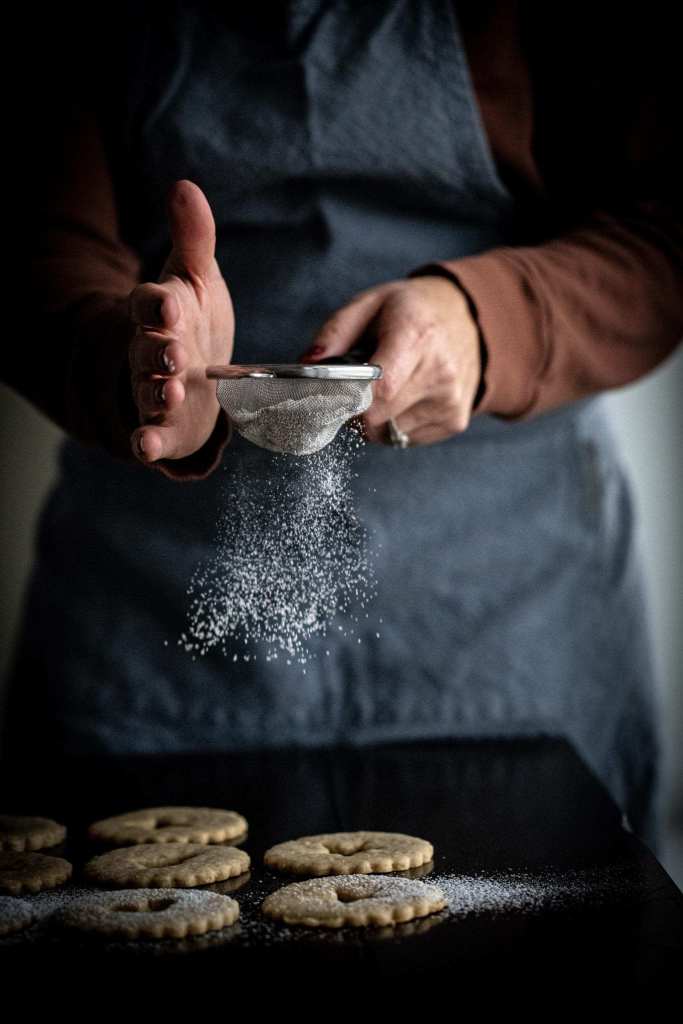
Feeding large groups is familiar to Sandidge, who grew up in a family of 12. (There were 10 of us [kids], all from the same parents,” she says. “Although I’m sure the thought crossed their minds, maybe even several times a day, my parents are saints for not strangling any one of us.”) Sandidge’s mother got Sandidge involved in the cooking at a young age by buying her a “huge cookbook with plenty of photos for me to ogle over.” It was this moment–the gift of a cookbook–to which Sandidge attributes her fascination with food.
Sandidge’s mother also taught her to make bread for the family, paying her 25 cents/loaf. “Besides being a saint, my mom was also smart. Money was a motivator, and I was pretty sure I would be a millionaire in no time,” Sandidge says. “Can you guess how many loaves of bread a family of 12 goes through in a week? 21, that’s how many. Every Saturday was baking day. I never did earn my millions, but it was enough for whatever trivial things I was interested in at the time.”
A few years later, Sandidge’s mother handed over the family grocery shopping to her. “She gave me our budget for the week and taught me to purchase within it to feed the family. I had $100 for a week, occasionally $120. Can you imagine that now? I spend way more than that on my family of 4,” Sandidge says. “I thought it was awesome, and absolutely loved it.Not only did I get a feel for choosing food items, but also learned to stay within budget. Thank you mom! Grocery shopping is still my favorite kind of shopping. It’s kind of like therapy for me. I continued to cook until I turned into a rotten, older teenager and wasn’t interested in cooking anymore.” Fortunately, Sandidge’s passion for cooking was restored a few years later. (As was her mother’s, once the kids were out of the house and she only had to bake and cook for two people.”
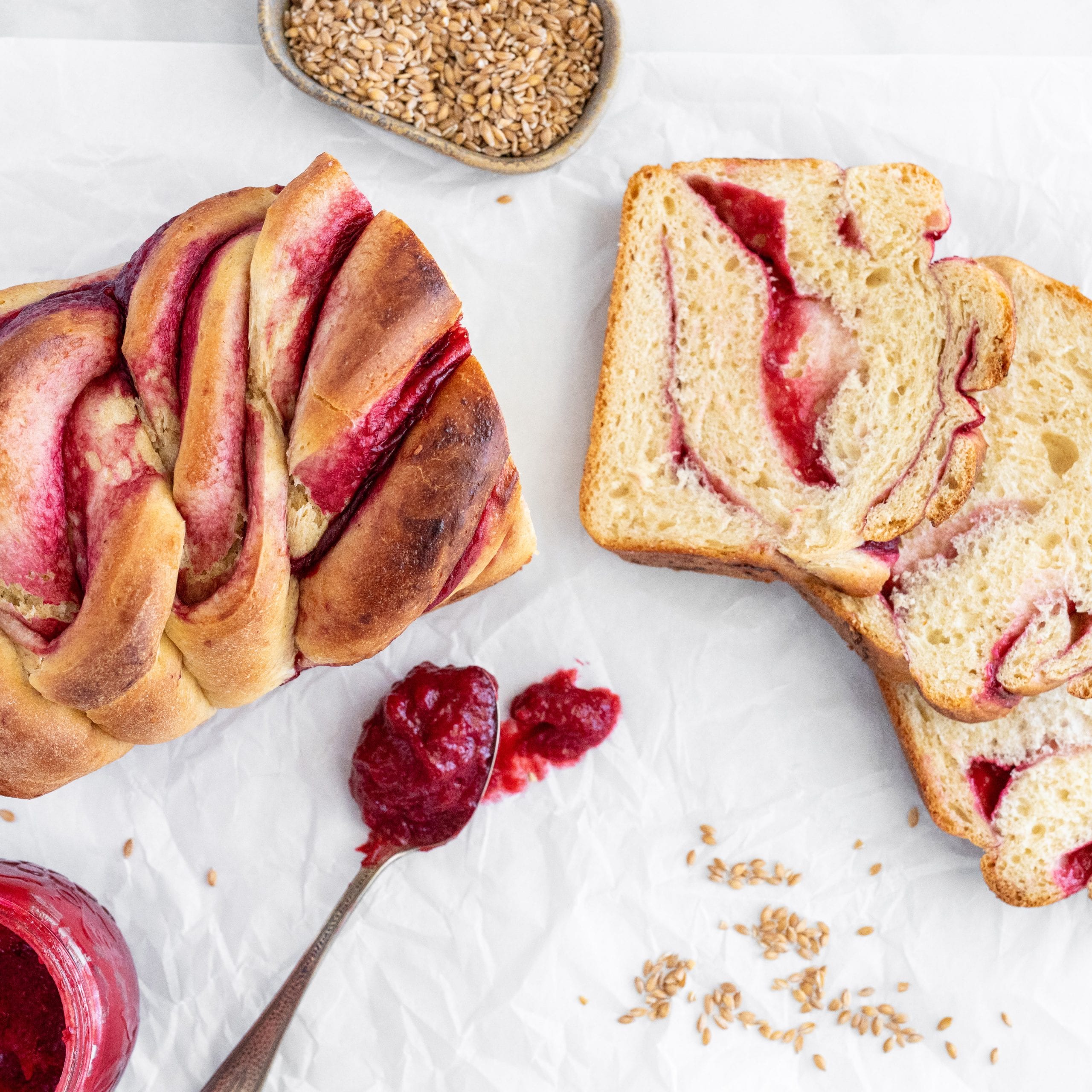 Sandidge’s food blog, A Red Spatula, is strikingly appealing. Crisp and colorful photos, the textures inherent in baked grains, negative space, echoing pops of color. “I am and have always been drawn to art,” Sandidge says. “I love the use of color in particular, I assume this came from my years as a quilter.” Although she doesn’t remember being particularly artistic as a child, Sandidge says she has “worked hard to learn techniques that help me to express myself in whatever medium I am interested in at the time.”
A dedicated student, Sandidge says “When I first started my Instagram account, my photos were horrible. I didn’t feel they showed what I was trying to convey in my food. I bought a camera and watched every YouTube video I could find.” In recent years, she says, “I have been practicing to get myself to a level I want to get to. I love to push myself to learn new ways of doing this.”
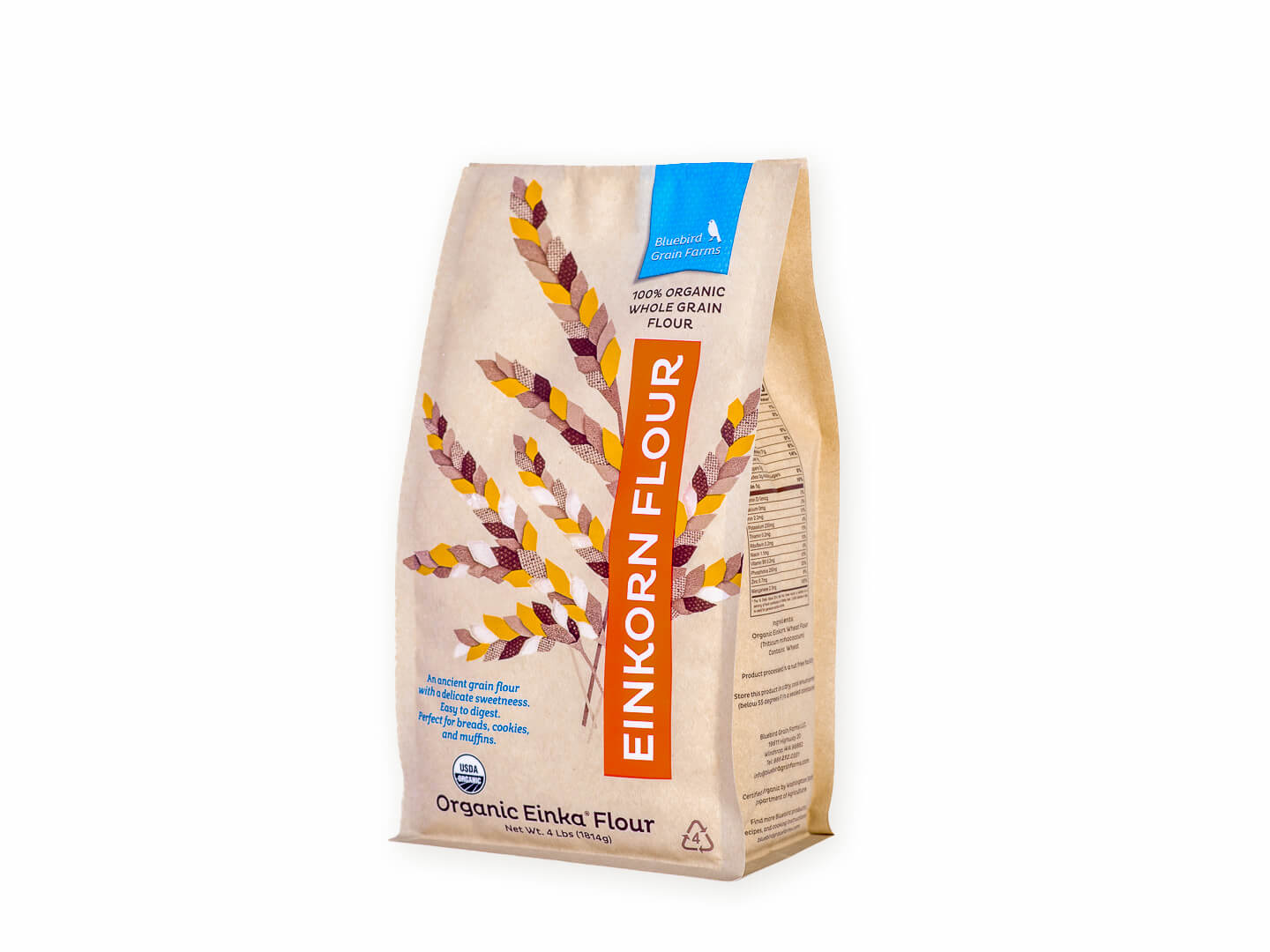
Sandidge has a “keen interest in whole grains” and has spent the past few years learning more about them and incorporating them into her family’s diet. “I stumbled upon Einkorn online when I was looking for local ancient grain,” she says. “I hadn’t heard anything about it but was intrigued. I ordered some and have been obsessed ever since.” Of Einkorn, Sandidge says “I love the health benefits, of course, but also love the way it bakes. My family has loved it.” Sandidge makes most of her baked items with partial whole grains and says that Einkorn is “perfect for families starting to transition into a higher whole-grain diet.”
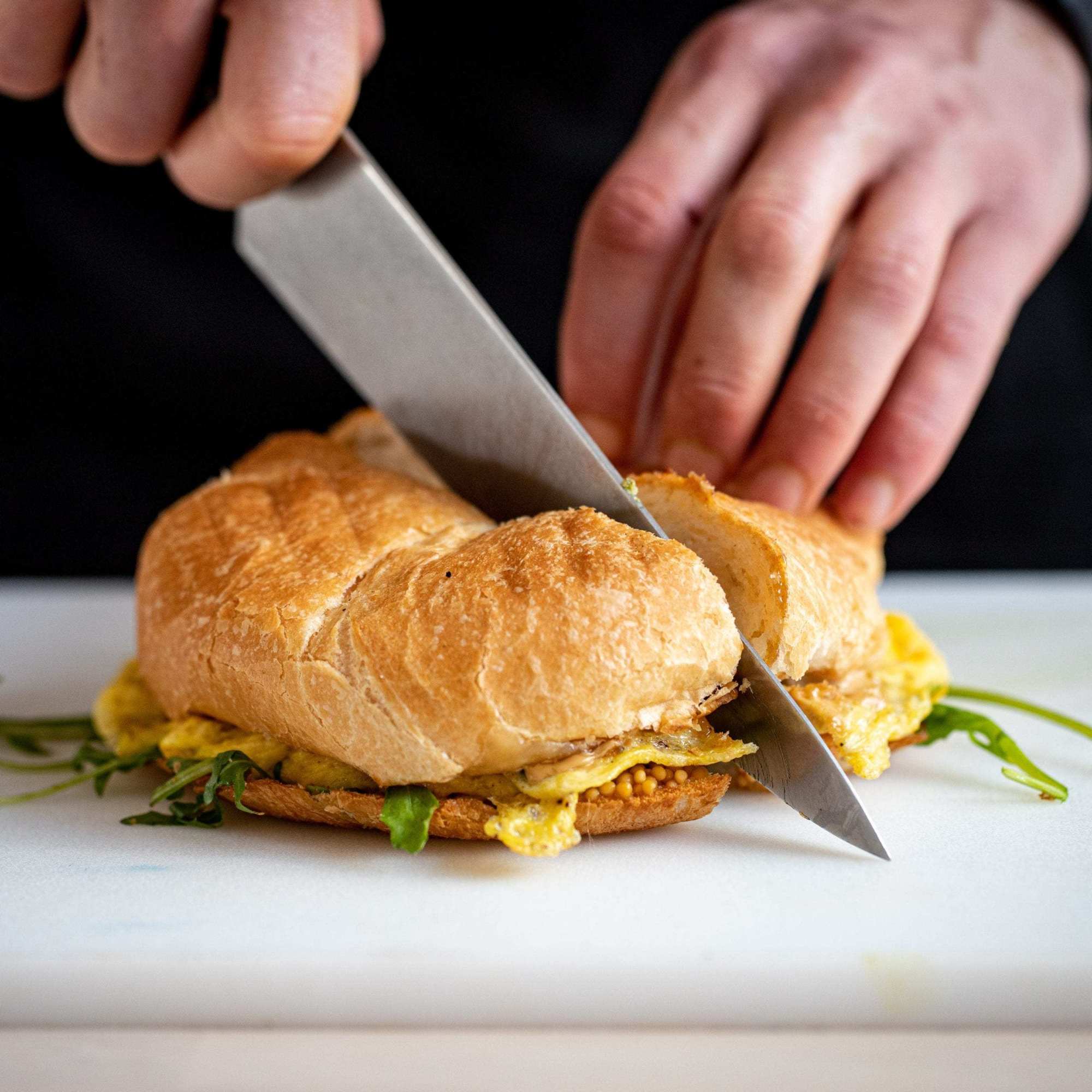 Before she discovered Bluebird Grain Farms‘ signature organic Einka products, Sandidge was using Bluebird’s organic Dark Northern Rye, often grinding the rye berries herself. A supporter of small farms, Sandidge calls herself “an advocate for our American farmers.” She says that Bluebird grains “have been wonderful to work with. I used the rye in a rye bread we made for St. Patrick’s day- Ruebens are a must! I also use them in a multigrain bread I make. It has a mix of whole wheat, rye, brown rice etc and it is loaded with nuts and seeds. All the baked goods I have created with it so far have been amazing.”
Sandidge’s blog makes whole-grain cooking and baking seem both possible and appealing, and she says she has “worked hard to develop recipes that will work for anyone.” Most food blogs seem to feature either all white or all whole grain, but Sandidge falls “somewhere right in the middle,” which aligns in general with her “philosophy of moderation.” By combining whole grain and refined flours, Sandidge makes baking with an eye to nutrition accessible to the mainstream kitchen.
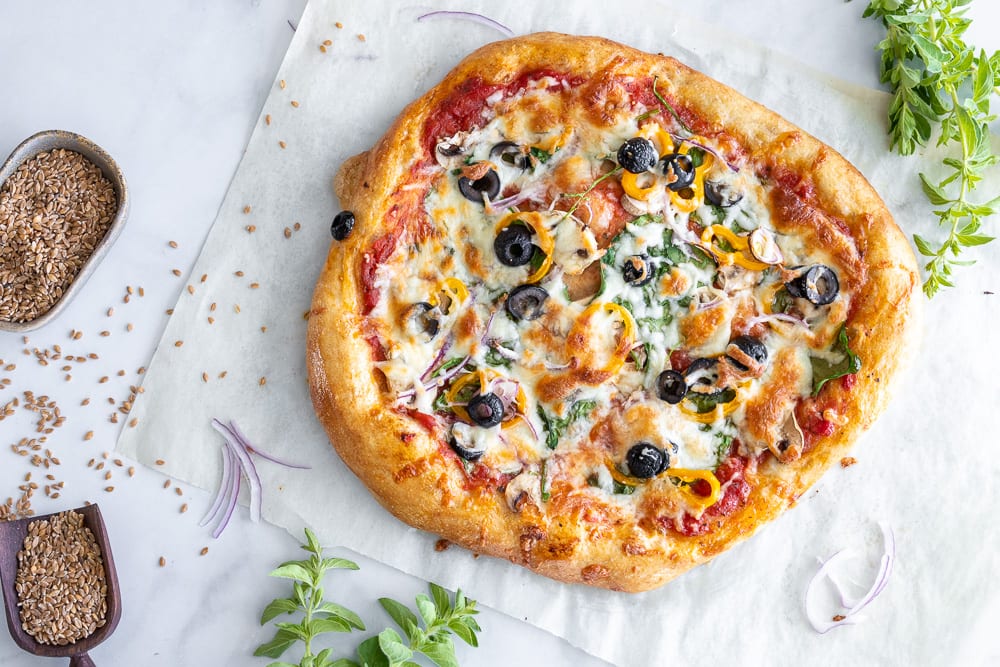 During the coronavirus pandemic, everyone seems to be baking, as evidenced by bare flour sections in grocery store aisle. For Sandidge, it’s business as usual, and she didn’t have to worry about sourcing ingredients. “One thing our family didn’t really worry about during this pandemic was food shortages,” she says. “I have always tried to make it a practice to have a well-stocked pantry. Most everything the stores were short on, I already had in good supply.”
Sandidge doesn’t recommend overstocking, but she does encourage pantry-style shopping, where people keep their kitchens supplied with enough ingredients to cook delicious, wholesome meals from scratch–“keeping the things we use daily in large supply.” With a little creativity, Sandidge says, limited storage space can be accommodated, and she reminds readers that “whole grains are a great, healthy food group” to prioritize.
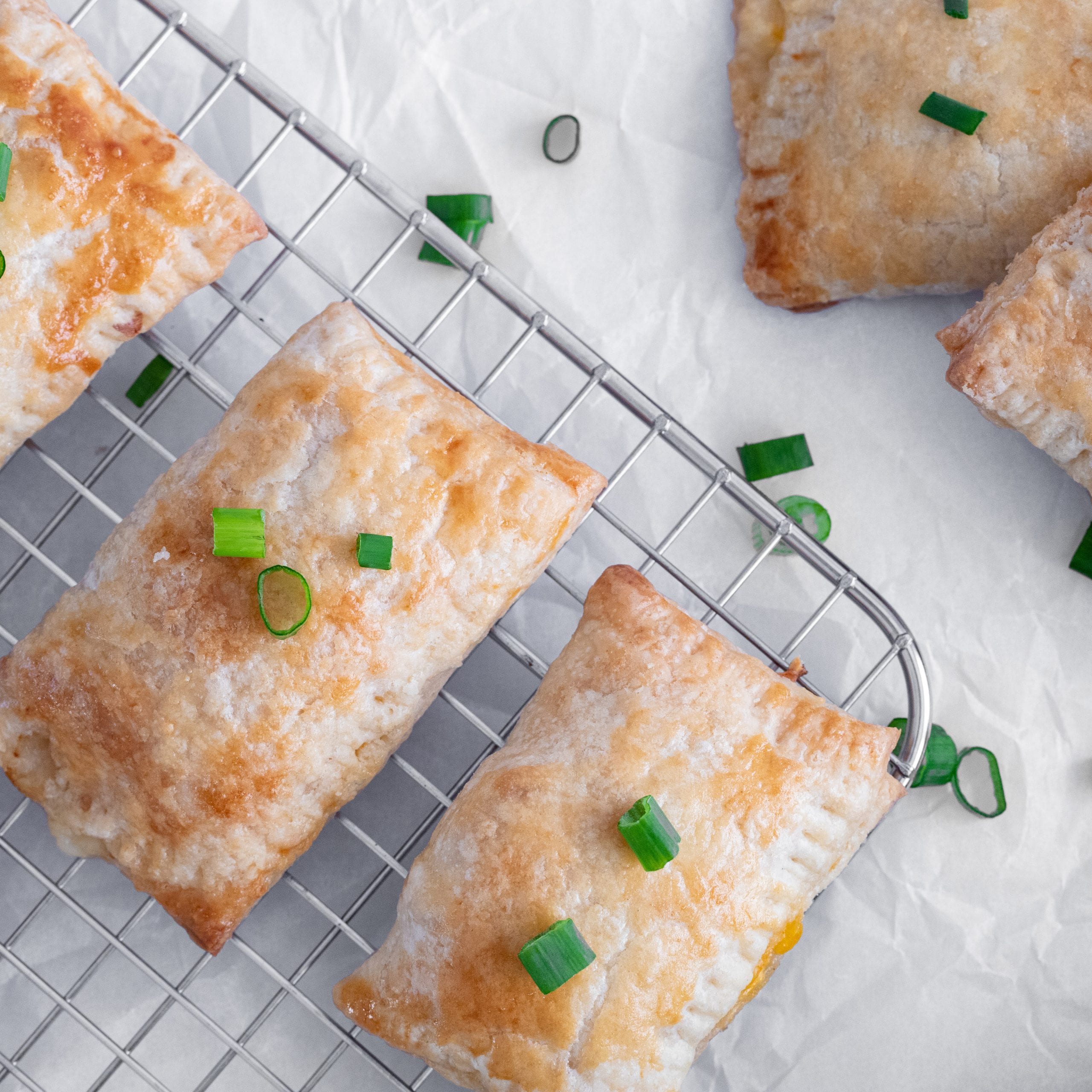
But baking is serving more than just practical purposes in the pandemic; for Sandidge, it’s almost therapeutic, and she suspects others feel the same way. “Baking is a comfort to me as it allows me to be creative,” she says. “It is also a comfort to my family, there is something so soothing about the smell of freshly baked goods filling your house. This has been especially important during this time of upheaval, so many other things have been in limbo and out of our control, my family really needed the comfort. It sounds like most everyone else it reaching out and trying to find that comfort as well. A good home-cooked meal or baked goods makes things seem a little brighter in the world.”
You can learn more about Amy Sandidge at her food blog: A Red Spatula.

 The building’s heritage is a post-Civil War story. Built by war veteran Ambrose Grow and his wife Amanda in 1881, the homestead was the site of the Grow family’s fruit and vegetable gardens and free-ranging cattle. In 1991, Jim and Judy completed a five-year construction project and opened the Harbour Public House on the footprint of the home where the Grows had homesteaded a century before, and even re-purposed some of the old-growth fir found in the walls and floors of the original building.
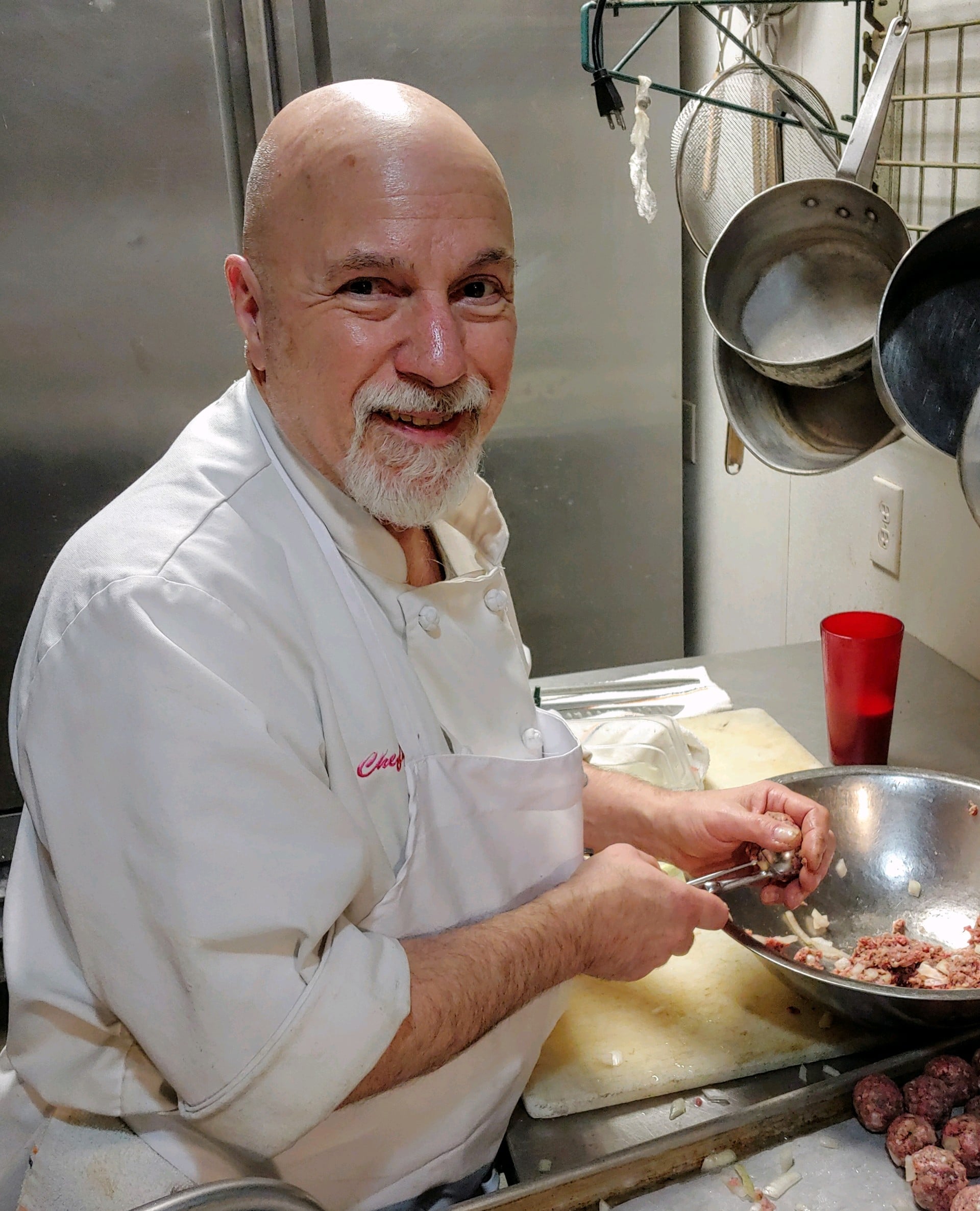 Jocelyn, who had scrapped law school plans in favor of joining the family enterprise, brought one of the pub’s regular patrons into the family fold, marrying Jeff Waite–now general manager–in 1994. It was Jocelyn who hired the pub’s first kitchen manager, who in turn added two enduring items to the food menu: Pacific Cod Fish & Chips, and the Pub Burger. They kept Jim Evans’ commitment to local craft beers as well.
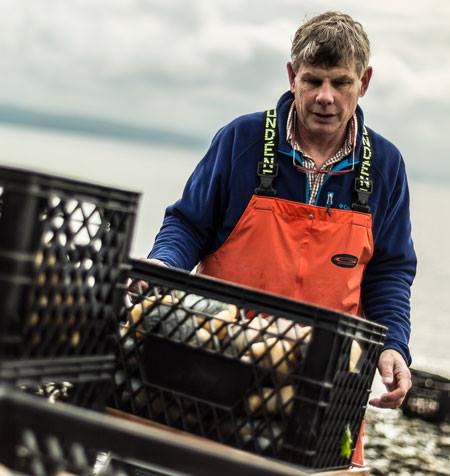 With the bounty of the Pacific Northwest at its fingertips, Harbour Public House’s menu is a cornucopia of products sourced regionally and locally. The pub buys much of its meat “on the hoof,” says Waite, and is “particularly proud of its products from a Spanaway beef ranch and a Port Townsend goat ranch.” Much of the pub’s green produce comes from an island farmer. The Puget Sound basic and the Washington coast provide cheese, clams, oysters, grains, legumes, and dairy, while the pub’s cod and tuna is Pacific-caught and humanely treated by Bainbridge resident fishermen. Farro items on the menu come from
 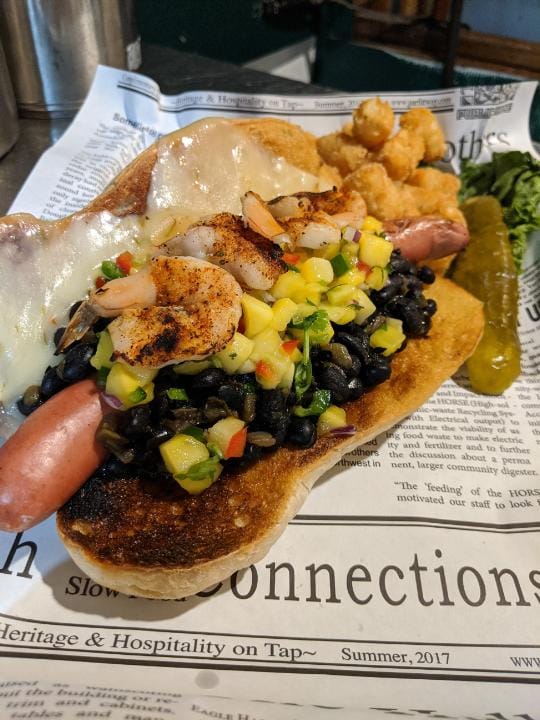 This commitment to quality ingredients is a bit of a double-edged sword in the restaurant business, as patrons often have difficulty understanding the relationship between food quality and prices. The market demands inexpensive food, yet increasingly customers want to eat and drink products with integrity: locally grown or sourced, organic, humane. Restaurant prices, then, reflect not only the quality of the food, but also the cost of preparing it thoughtfully.
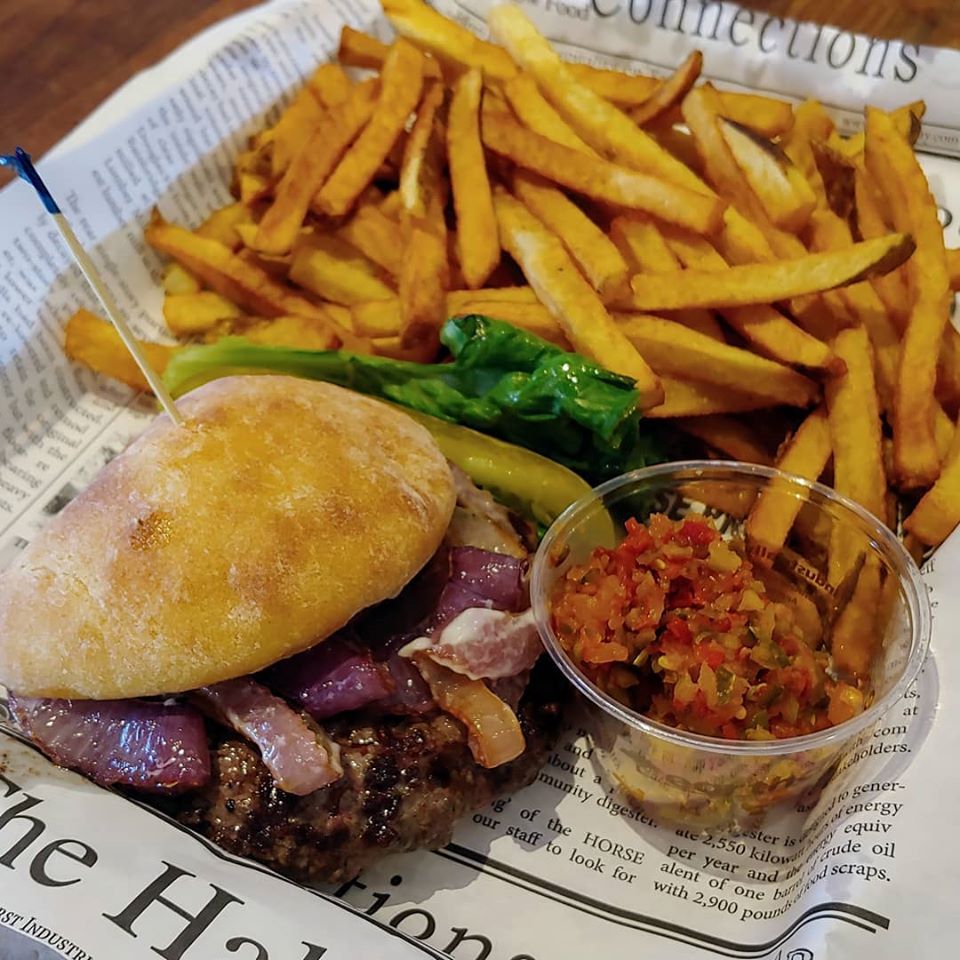 After becoming acquainted with Bluebird Grain Farms at one of the early Chef’s Collaborative F2C2 gatherings and incorporating emmer-farro into their menu, in 2019 Waite began experimenting with Bluebird’s
  Like the Pub Burger’s bun, some things at Harbour Public House are evolving. Others, however, remain consistent, such as the atmosphere of the pub as a welcoming spot for excellent food and beverages, a strong community, and lively conversation. To this end, Waite notes, with a nod to the pub’s roots, “No TVs or juke-boxes have ever been permanently installed and women continue to be a large percentage of its clientele.”
 We would like to introduce our new Operations Manager, Easton Brannon. Easton started working for us at the end of January. We are grateful for Easton’s organizational skills, team spirit, and the ability to identify and solve problems quickly. She is a wonderful addition to our team.
 We are delighted to introduce our new operations manager Easton Branam. Easton joins us with extensive experience as senior-level facilities planner. She brings expertise in workflow optimization and systems planning. Easton is a military veteran and has worked as a communications officer in the army coordinating complex logistics with military teams. Easton has been at Bluebird for a month now and we feel so grateful to have such a highly qualified person join our team.
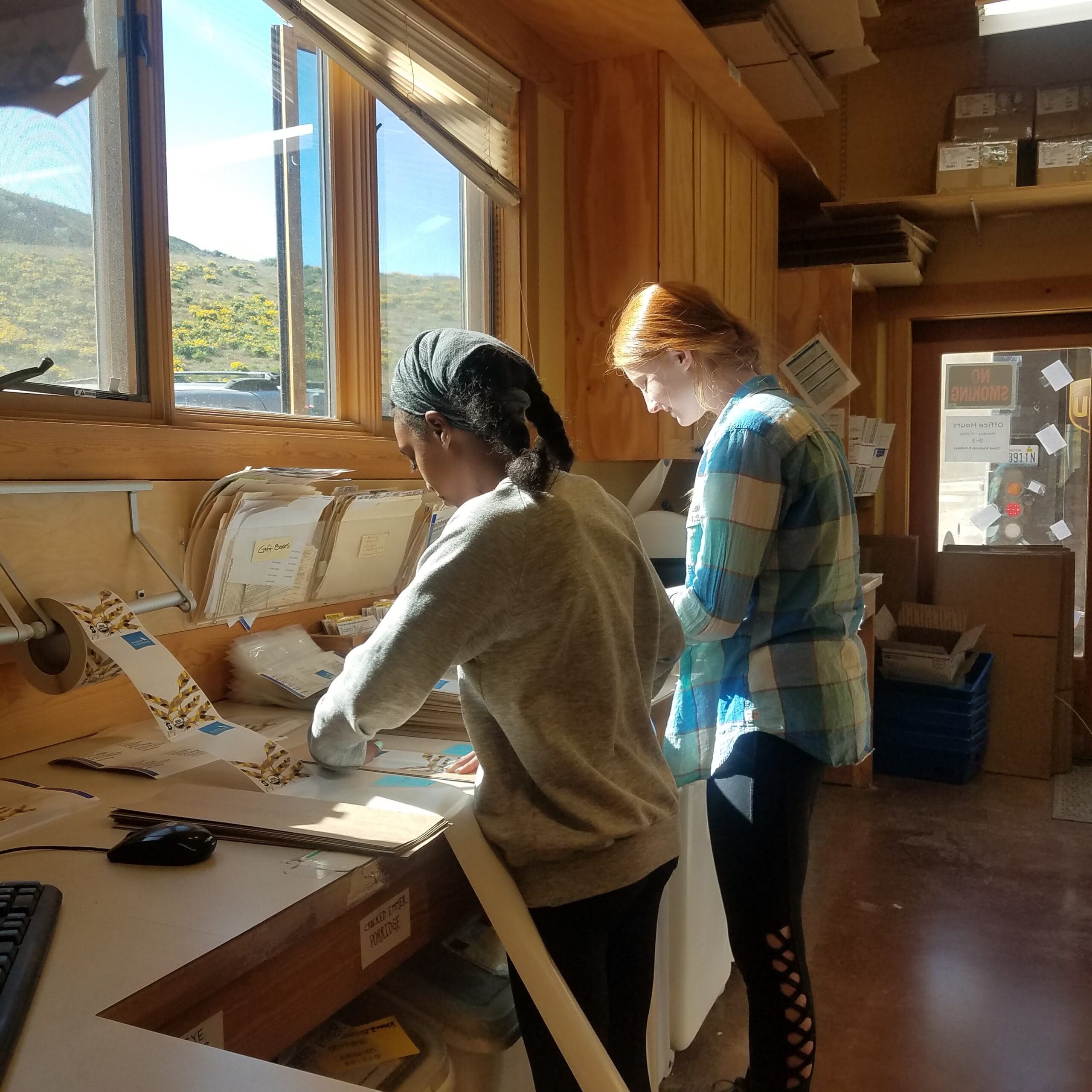
 Team C got 2nd place in the “family category” at the Ski to Sun Relay and Marathon sponsored by Methow Trails early this February. Sam, Brooke, and Bluebird’s packaging coordinator Casey Kutz skied the course in just over 2 hours. We meant to call ourselves “Team Bluebird” but auto-fill had a different plan and spit out…… c. Needless to say, we had fun and particularly enjoyed seeing farmer Sam in his lycra onesie.
 As of December 2019, all of our Bluebird Grain Farm products are certified Kosher. The kosher certification was prompted at the request of our Jewish customers. And we are glad to finally get the certification, many thanks to a USDA Value-Added Grant. If you purchase our prepackaged items you will not see the certification stamp on the bag anytime soon- all of our bags were pre-printed a year ago and it will take us some time to make this transition. Rest assured, all products are certified Kosher as of December 2019.


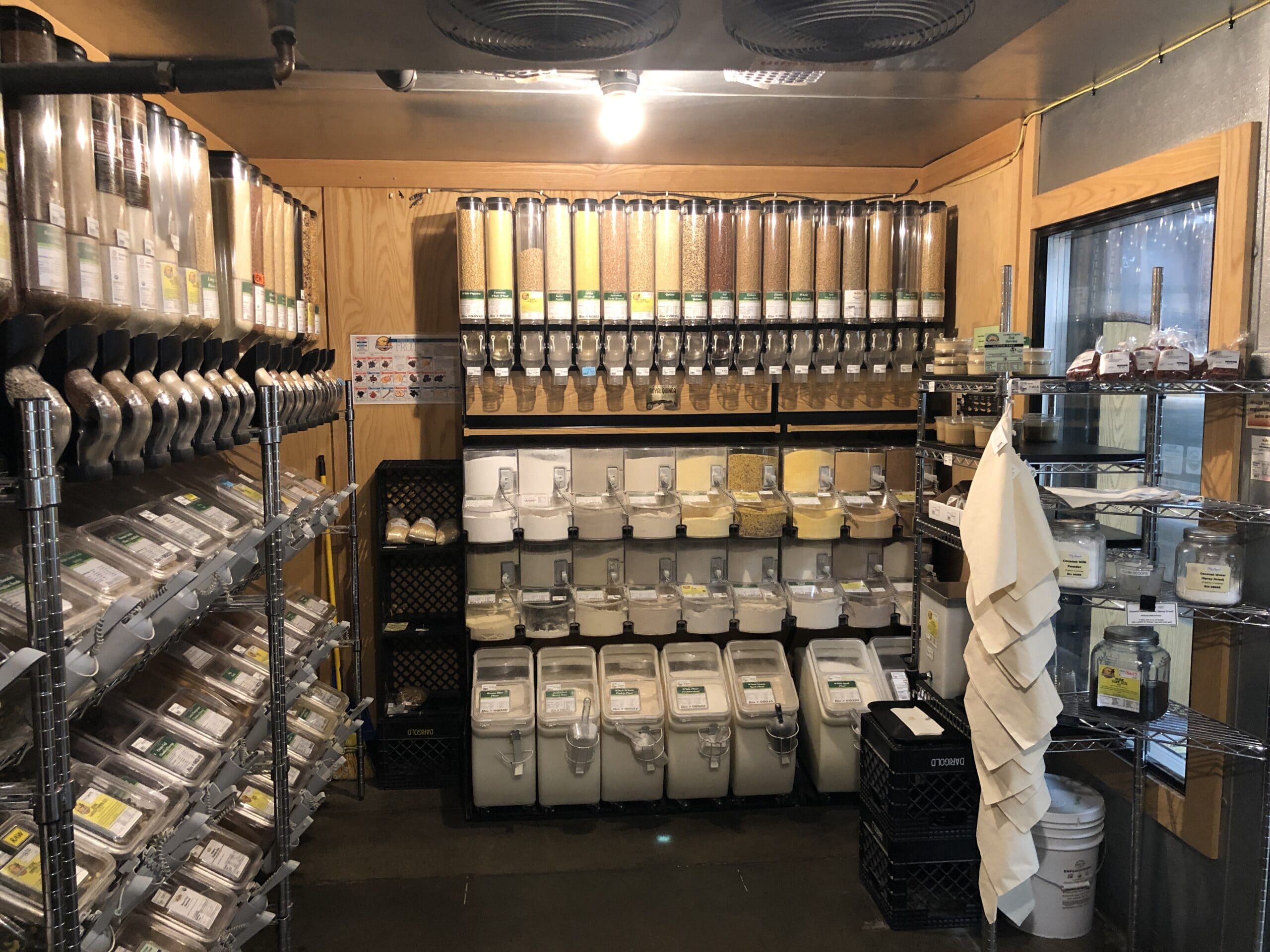 Marlene’s interest in whole grains, natural sweeteners, and abundant fresh produce soon extended beyond the family dinner table, however, when Marlene purchased a tiny health food store in Federal Way in 1976, later naming it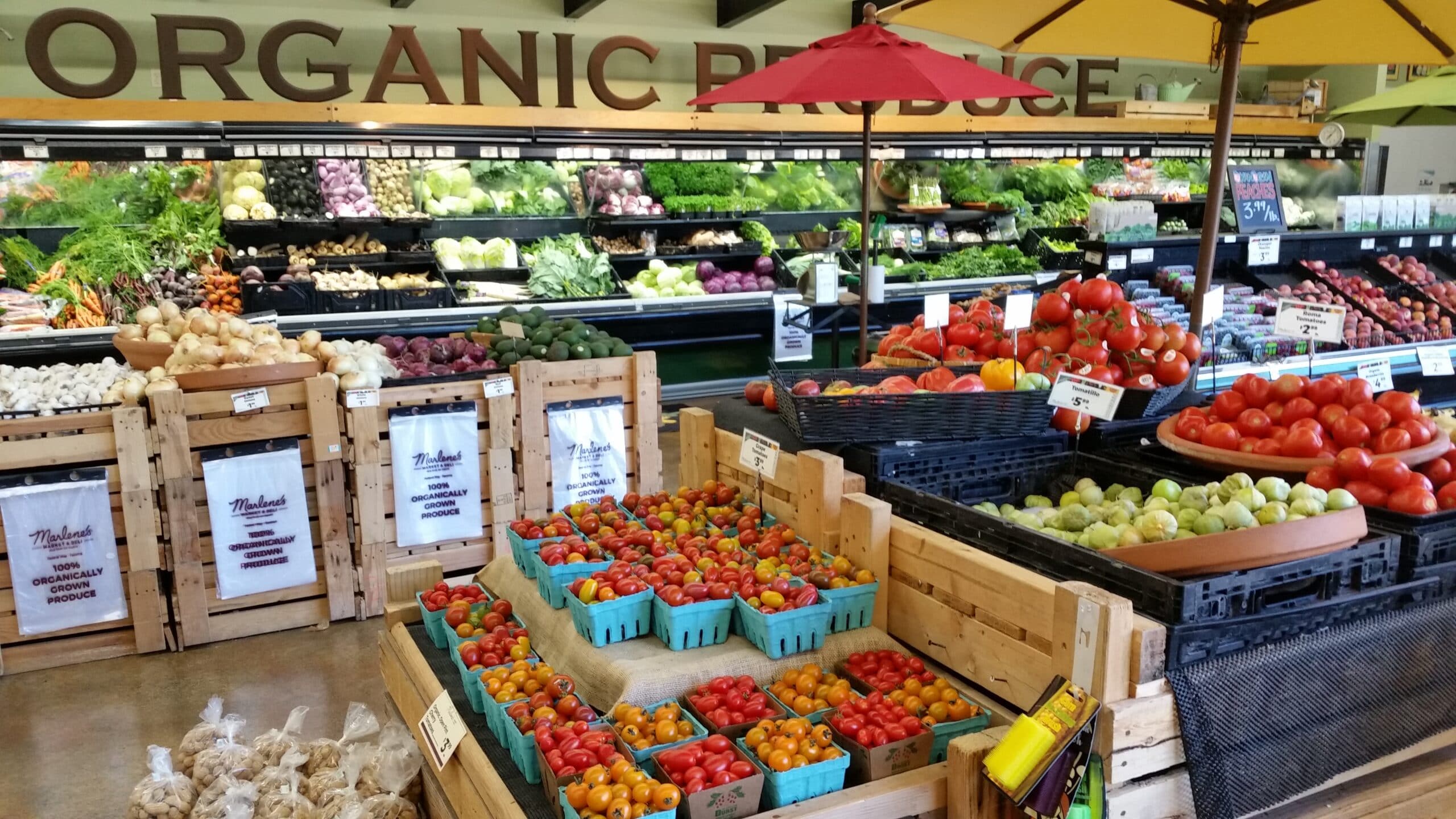
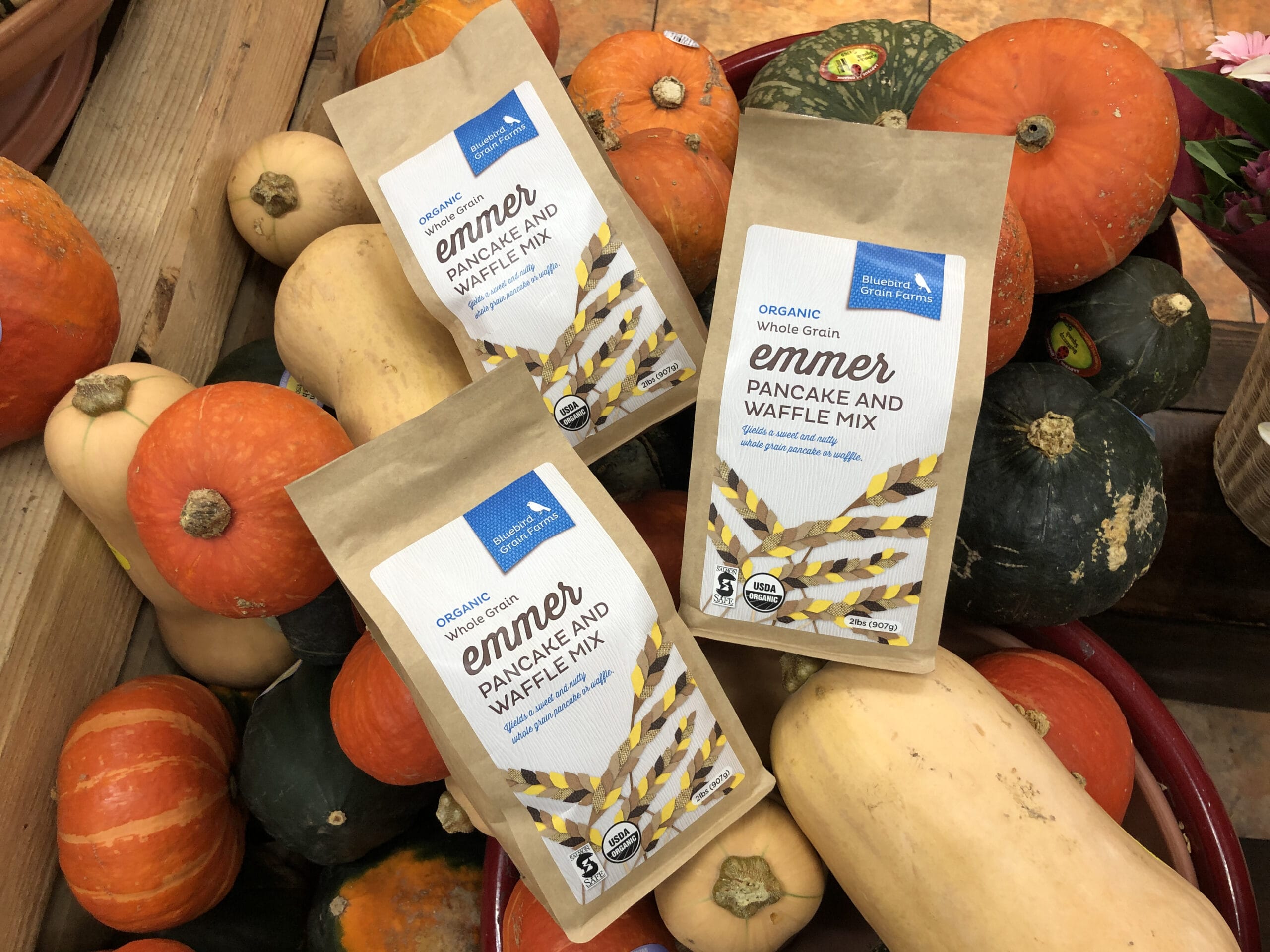
 With
With  Ultimately, what Marlene’s Market & Deli has supported for two generations is a healthy lifestyle through products that promote positive and beneficial choices for the things we put into and onto our bodies. What began around Marlene’s kitchen table as a sustainable approach to living has blossomed into a community resource that is the foundation of a healthy way of life for thousands of individuals and families in southern Puget Sound.
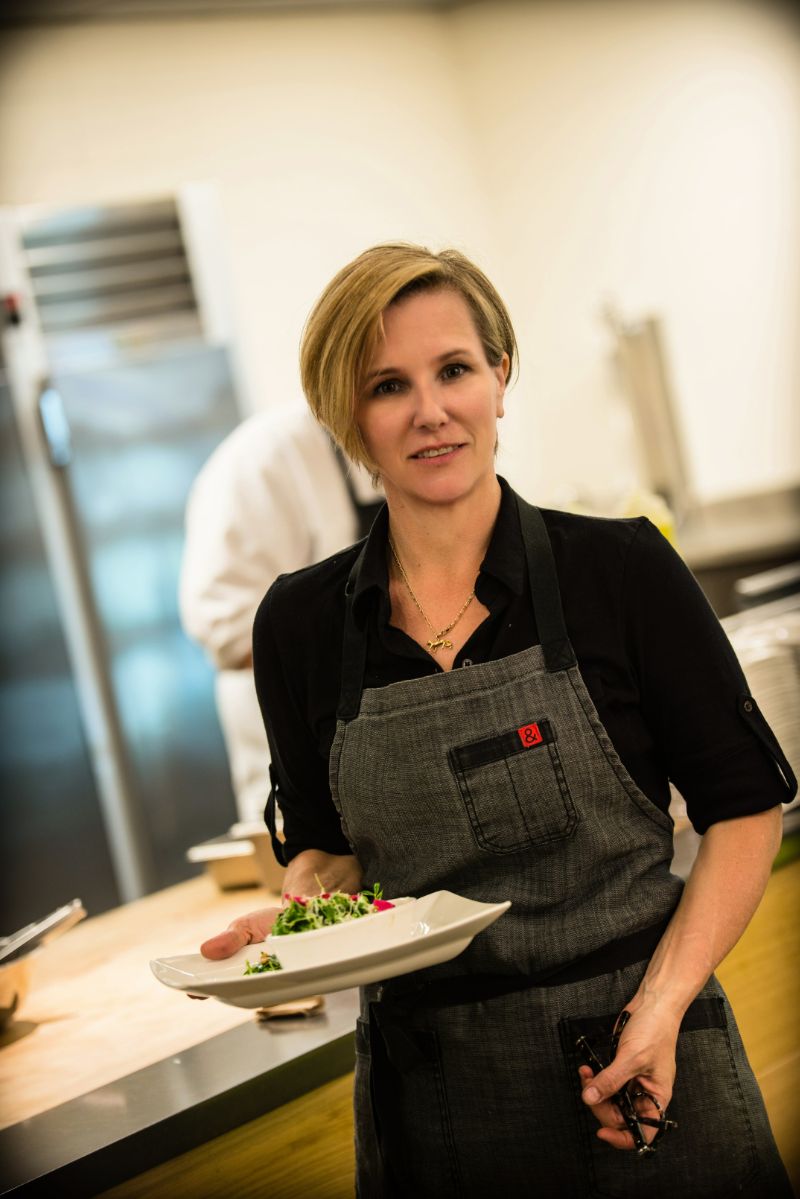 Smith herself seems possessed of lovely energy as well. Since opening Cafe Juanita in 2000, a whirlwind of glowing restaurant
 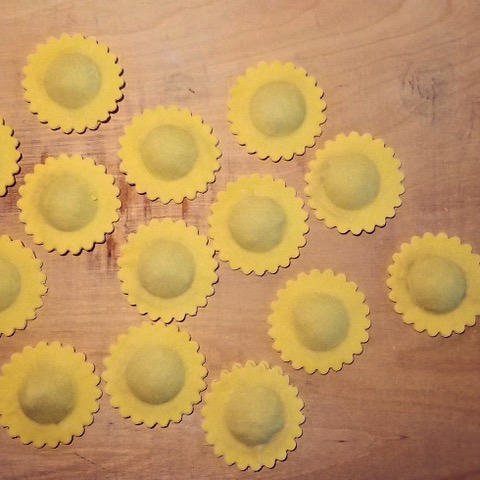 Smith’s holistic approach has served Cafe Juanita well, and it’s one that she cultivated during an externship in Ireland after culinary school. “Chef [Peter Timmins] was a master chef so everything was based on Escoffier,” says Smith, referring to George-Auguste Escoffier, a 19th century French culinary artist who was revolutionary in upgrading the culinary arts and fine dining experience, from recipes to service to kitchen environments to sanitation. “Proper technique and history were combined,” says Smith of Chef Timmins’ teaching. “It was great to work with such amazing raw ingredients–the best butter, wild game.” She continues, “The art of hospitality was also important. In Ireland, culinary schools teach front of the house proper service, so it isn’t just the chef’s perspective, but a guest-centric hospitality.”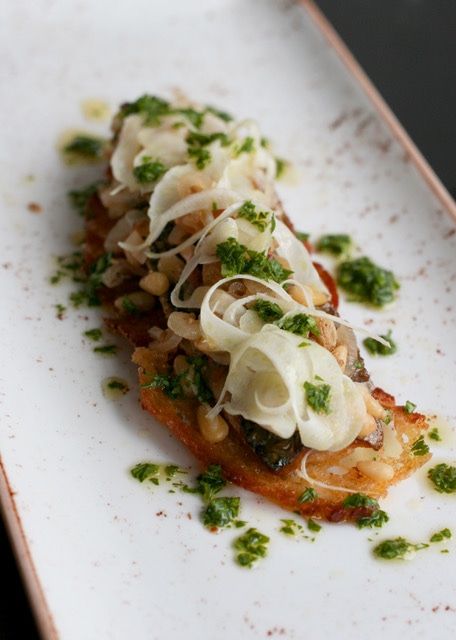
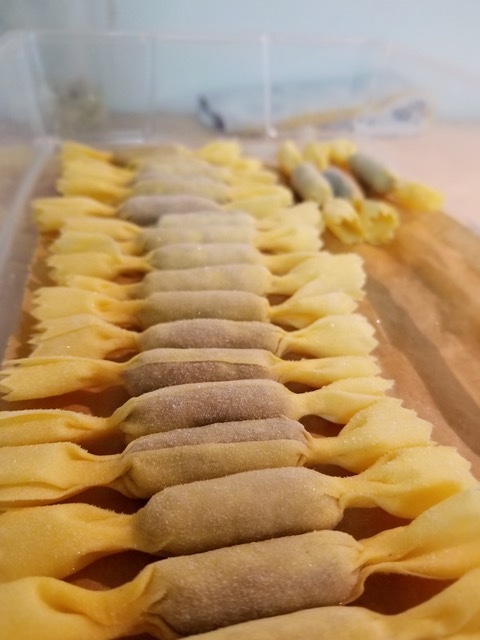 Good point. If any more people in the western Washington area loved Italian food, you’d never be able to get a table at Cafe Juanita. As it is, business is brisk, and growing. In fact, August 2019 was Cafe Juanita’s busiest month in the 19+ years it has been in operation, due in part to word of mouth recommendations and in part to a continued presence on culinary award lists. But Smith responds to the media attention and public demand differently than she did in the early days, when critical acclaim came at an almost overwhelming speed. In the first few years, Smith says, “It was not very enjoyable for me. As much as I was grateful and happy to be doing well and be appreciated, I found it all a bit too much. The constant feedback on sites like Yelp took me a long while to navigate.”
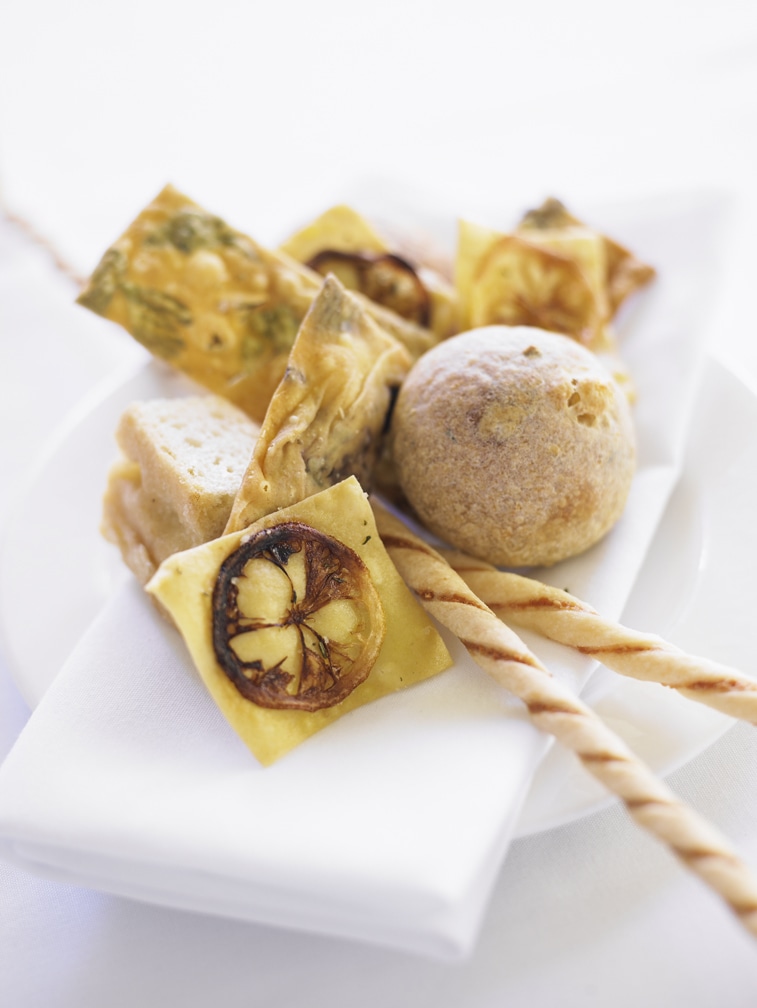 Quality and sustainability are top priorities for Smith when sourcing ingredients. She looks for local and regional organic products that showcase the Pacific Northwest’s bounty, as well as sourcing Italian food and wine. In Cafe Juanita’s kitchen,