
by Ashley Lodato
Bluebird Grain Farms staff writer
photos courtesy of Cow & Clementine
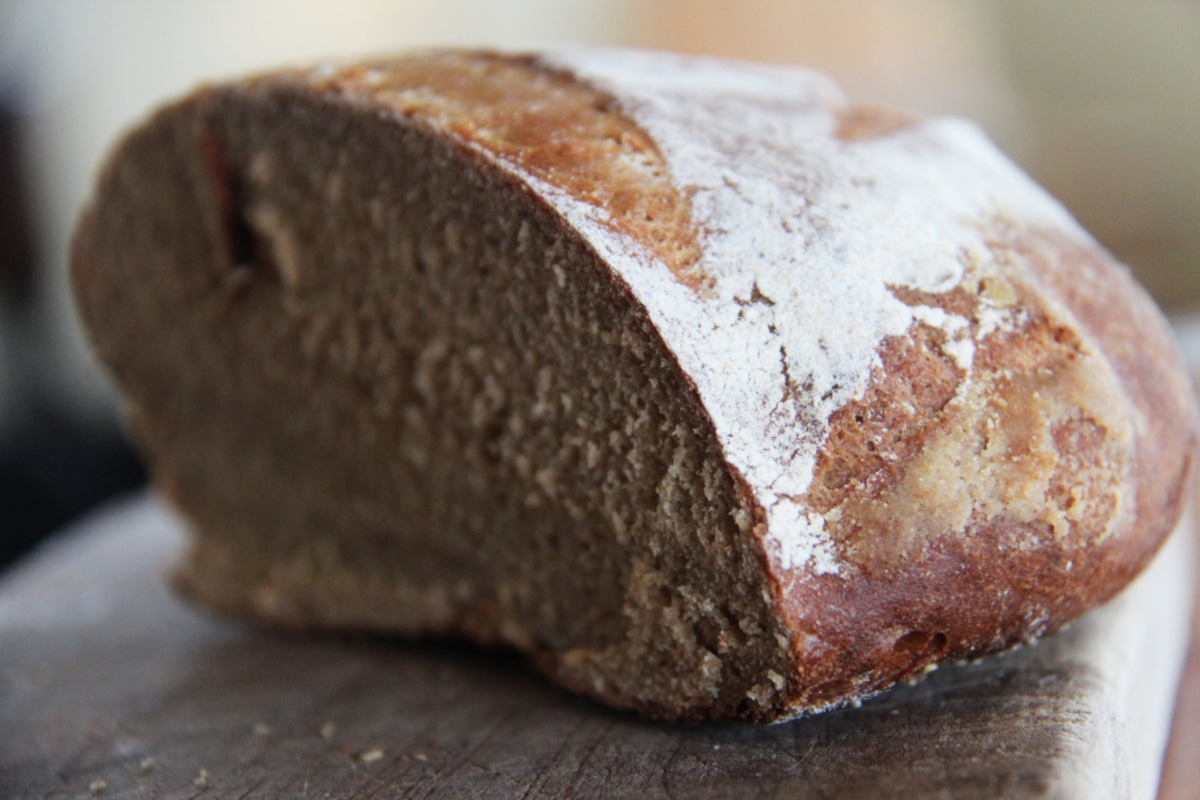
Like many people, Cow & Clementine bakery owner Joe Cowan found himself having trouble digesting wheat. But unlike many people, Joe sought and found a solution. After consulting with his father, the renowned holistic physician Dr. Thomas Cowan, Joe began baking bread using the natural fermentation method outlined in the Tartine Bread book. “My dad said ‘if you prepare bread the real way, your problems may be alleviated,'” says Joe. They were. “My dad turned out to be correct.”
A pathway to eating wheat was not the only thing Dr. Cowan gave Joe. He also gave him a grounding in a philosophy of making food. A founding member of the Weston A. Price Foundation–a pioneer organization for information about nutrition and health–Dr. Cowan specializes in helping people heal through natural medicines and, with his sons, started a business to create and market organic, nutrient-dense vegetable powders. Joe manages operations for the family business, Dr. Cowan’s Garden, and through this work continues to support a tradition of nourishing foods.
 In the process of learning how to make a nice sourdough loaf, Joe says, he learned a lot. And “over the years playing with recipes, reading more, and figuring out the basics of dough I got good enough at it to start a business.” Fortuitously, Joe and his wife, Emily Clemetson, had just relocated to Morgantown, West Virginia–an excellent place to open a bakery. Emily, a physician, had recently begun her residency in West Virginia University’s internal medicine program, and Joe was still on active duty with the Marine Corps, which he had joined after college. Joe moved into a space previously occupied by a gluten-free bakery, and Cow & Clementine was launched.
“The place was really easy to move into,” Joe says. “The nuts and bolts were already in place; it was already built to fire code, the ovens were there, and it didn’t need anything structurally.” The building’s owner, says Joe, had a great vision for Morgantown and local business. “It was a really good fit.”
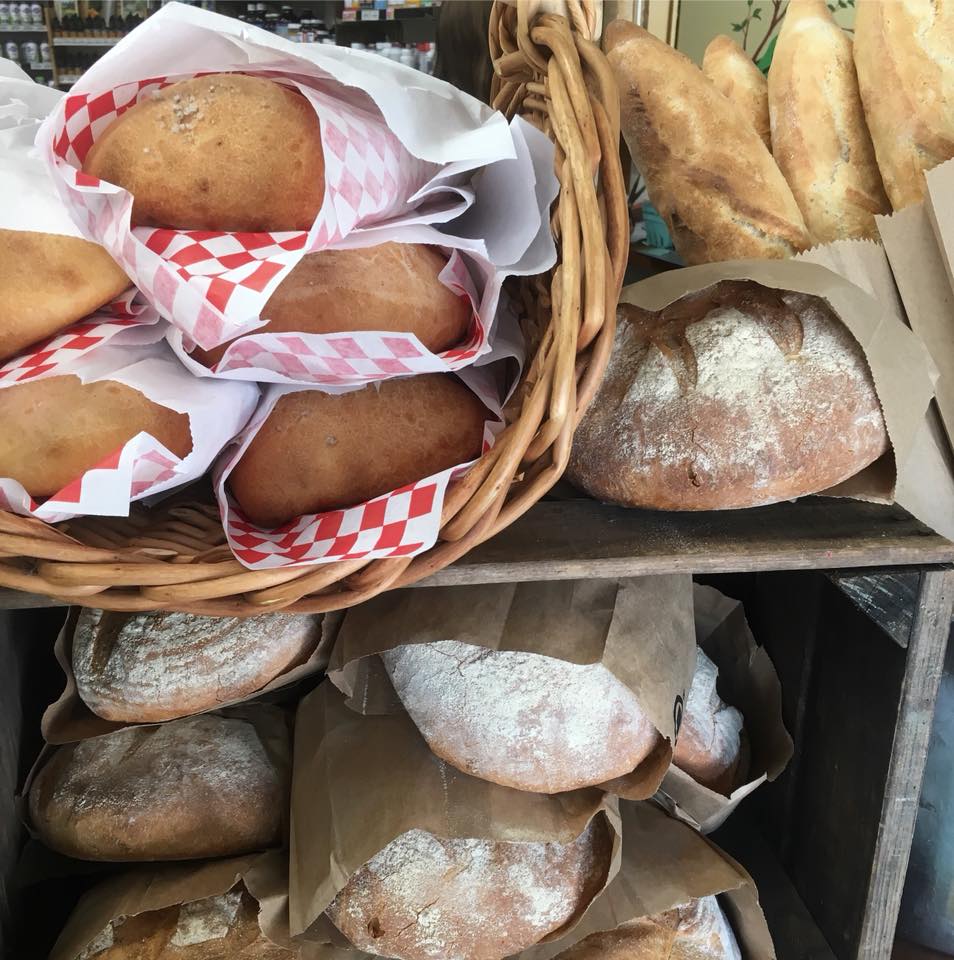
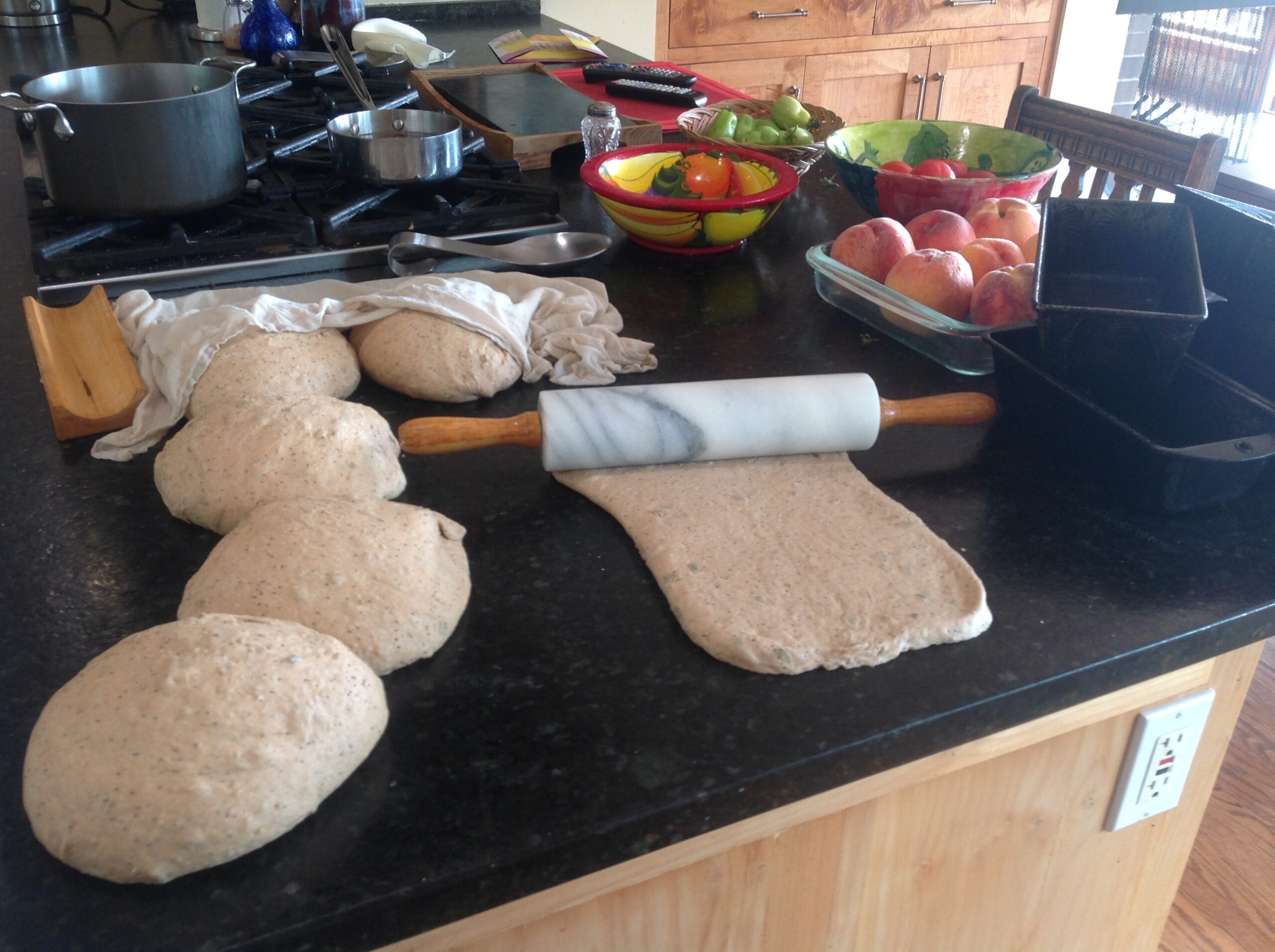
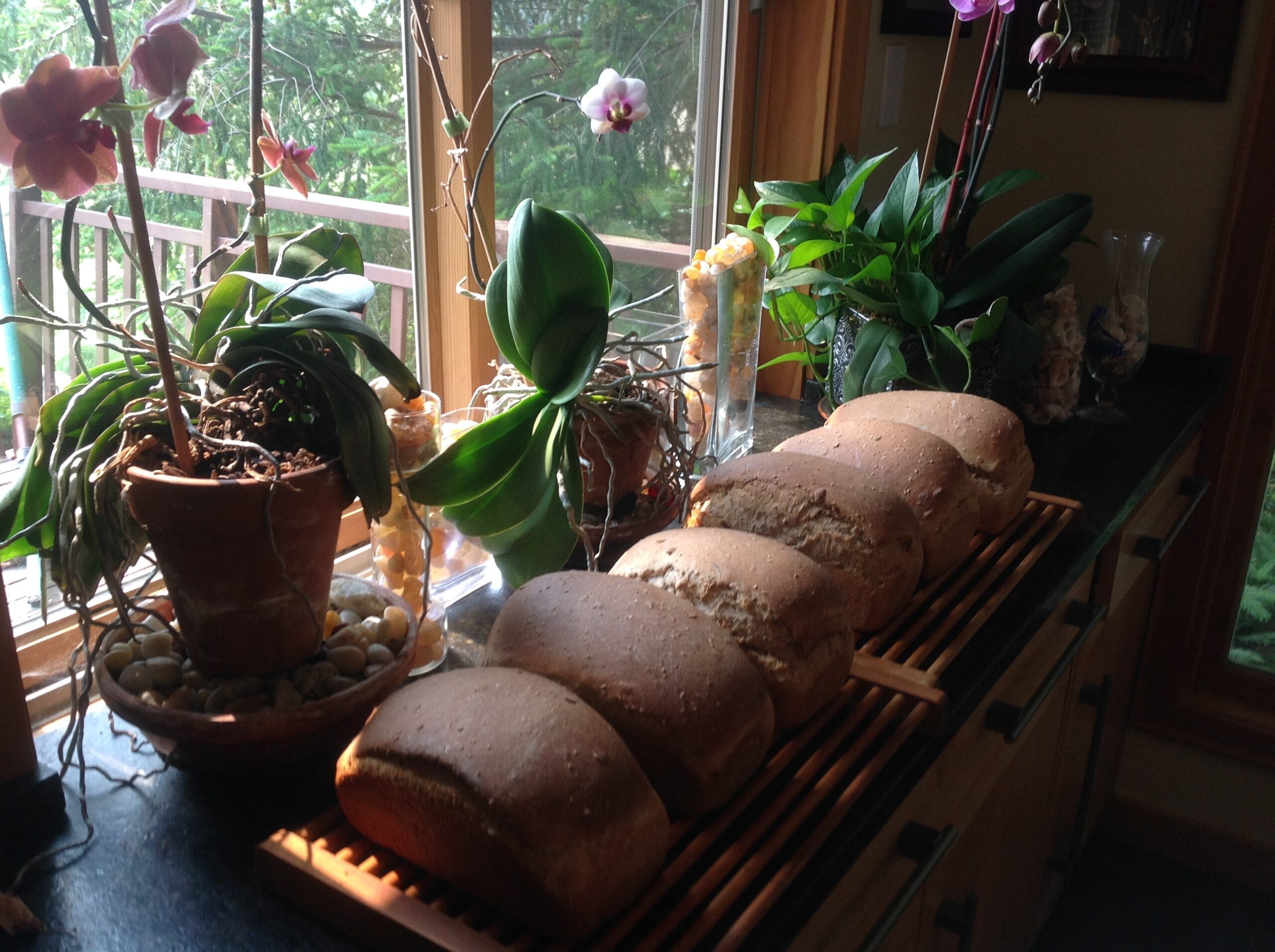
Joe’s business model was somewhat unconventional in the bakery world, but has proven to be quite successful. In addition to operating a retail bakery, Joe also runs a brisk mail order business, which means that customers all over the country can enjoy fresh Cow & Clementine sourdough bread any day of the week. “We cater the recipe for shipping,” Joe says, by ordering whole grains and milling them ourselves. We grind it on one of our stone mills and then we let it ferment overnight before baking it. The fresh-milled grain holds up to the shipping process in a way that fluffy processed flour won’t.”
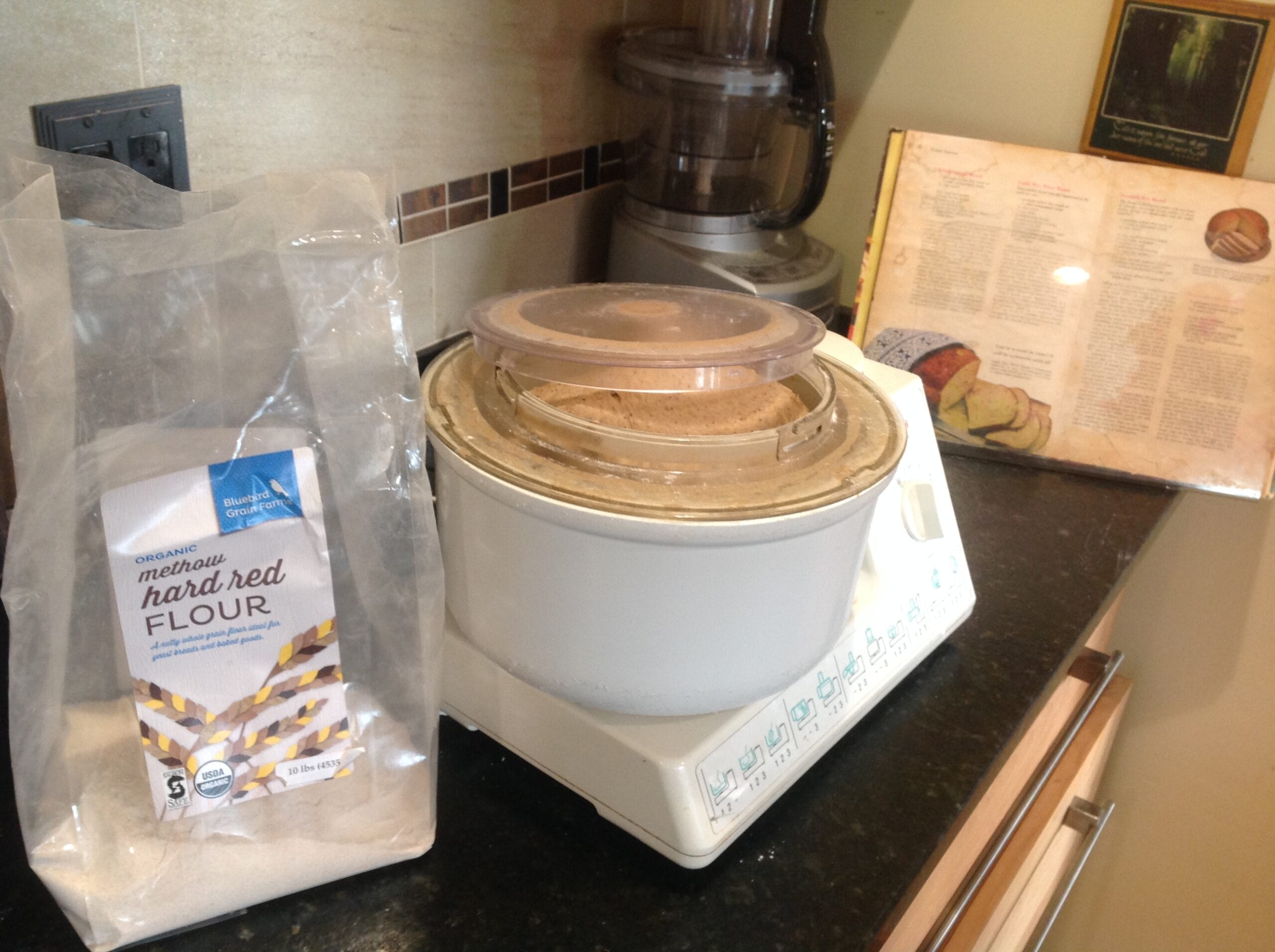
Joe sources nearly all his grains from Bluebird Grain Farms, about whom he learned through his father. “My dad knew about Bluebird years ago,” Joe says. “When I was starting to bake and didn’t want to use an all-purpose grocery store flour, my dad showed me Bluebird Grain Farms and said ‘this is the one you want to use.'” Joe complements the full flavors of Bluebird’s grains with his wild leaven, which provides a rich and earthy taste to his sourdough breads. “When I moved to Morgantown I lost the previous leaven I had been using,” he says, “but I started a new one as soon as I got here, by mixing flour with water and letting it ferment, and that leaven has been going strong for three years now.”
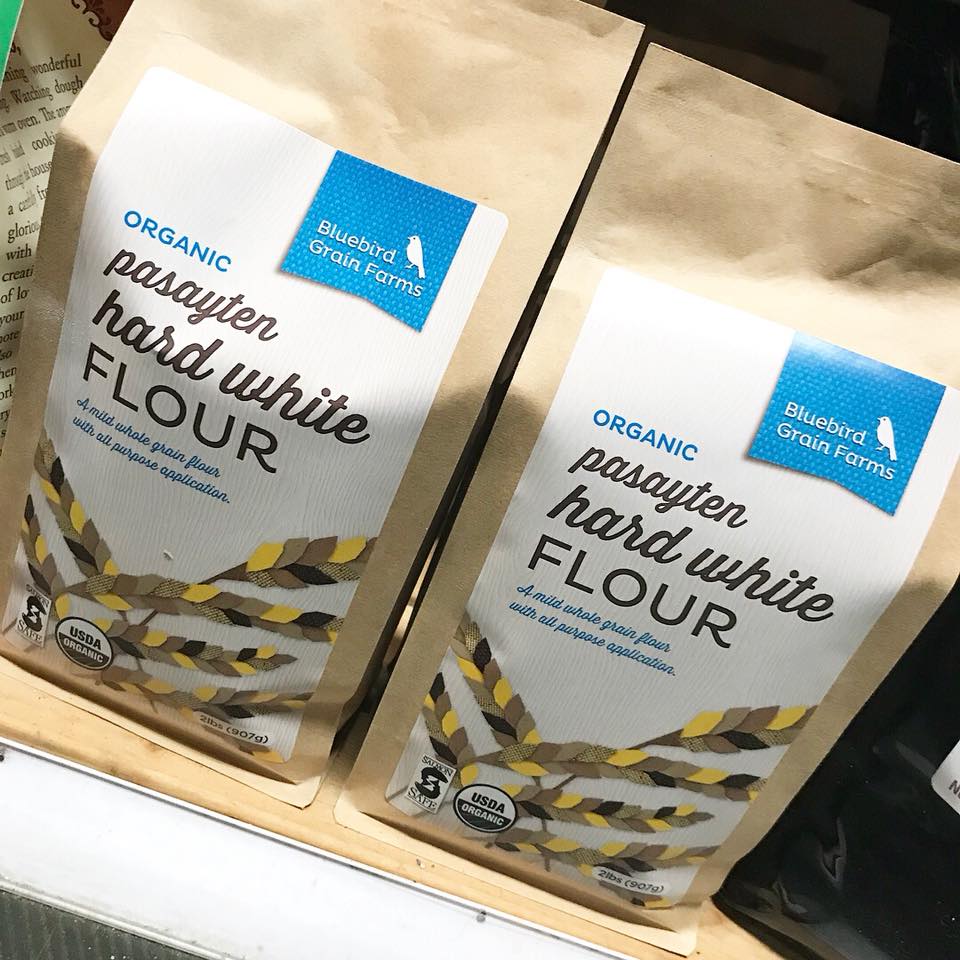
Joe says that he was drawn to Bluebird because of the variety of grains they grow and the superiority of the product, as well as their farming ethics, which he says are the best in the industry. “I really like the varieties,” he says. “The dispersion of heritage varieties, the hybrids. In the summer I like to use the Pasayten Hard White Wheat, in the winter we use the Methow Hard Red Wheat.” The bakery also features an Emmer loaf, an Einkorn bread, and a Heritage Dark Northern Rye. Joe notes that bakery and mail order bread customers tend to fall into two camps. “People want their bread to be dense and sour, or they want it light and fluffy. Cow & Clementine caters to those two camps.”
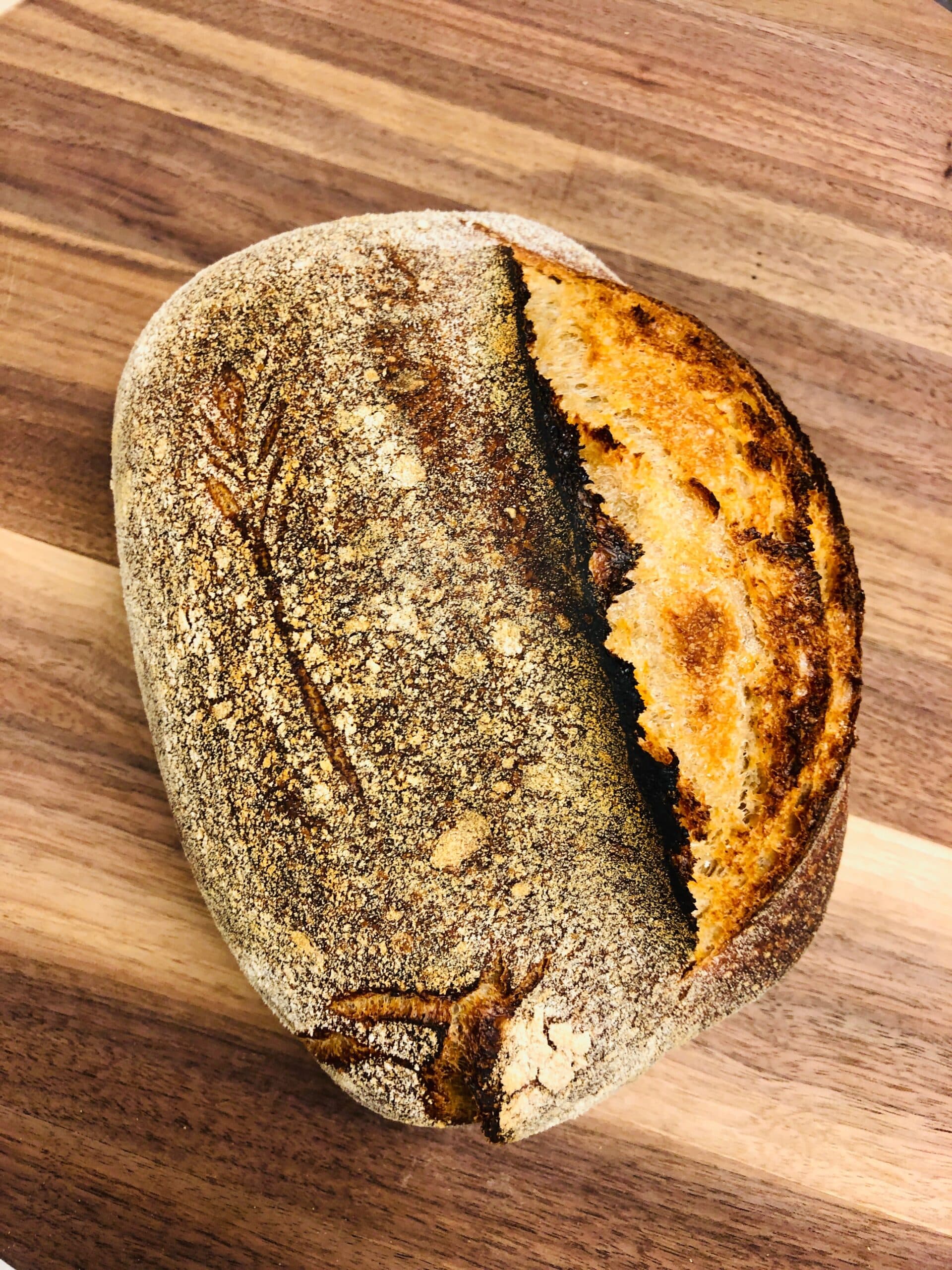
For Joe, purchasing whole grains extends the shelf life of his mail-order breads, so they arrive fresh to his customers’ houses. He has a couple of stone mills that he runs continuously for the first hour of each day; milling the grain is not an onerous task. But for most consumers, who can eat or freeze their bread the day they bake it, it makes more sense to purchase Bluebird’s fresh-milled organic flours rather than whole grains.
Cow & Clementine is more than a retail bakery and mail order bread company; it’s also a Morgantown hot spot that hosts art exhibits and occasional events, such as Ikebana classes, tie-dye sessions, and knife skills training. “The space is so large that I am only using 1/4 of it for bread,” Joe says, “so it makes sense to share the space for other purposes. Morgantown is cool and lively. There’s a lot going on here–art walks, farmers’ markets, gallery openings.”
 As if a baker’s and a medical resident’s schedules weren’t hectic enough, Joe and Emily added baby George to their family four months ago, prompting Joe to hire another baker to work with him. “We hired and trained Chris while Emily was pregnant,” says Joe, “and it came right down to the wire. He baked his first successful loaf the week before George was born. It takes a long time to understand the nuances of sourdough–there’s barometric pressure that changes bread, and a lot of other variables. You can control the variables, or they can control you and spoil the batch.” With Chris assuming some of the baking duties, Joe can both spend time with George and work on growing Cow & Clementine, as well as continuing his work as board president of the legendary Mountain People’s Co-op.
Long term, Joe would like to decrease his oven-to-doorstep delivery time by opening regional bakery distribution centers. Such centers would also allow him to expand Cow & Clementine’s customer base. He’d also like to start making a sourdough pasta–the way pasta is supposed to be made, he says. “Any grocery store has whole aisles of dry unleavened pasta,” Joe says, “but you’re supposed to ferment it first. It tastes better and keeps longer.” And finally, Joe would like to add even more varieties to Cow & Clementine’s bread repertoire. “That will happen soon,” he says, “it’s just a matter of time.”
For more information, visit Cow & Clementine’s website. And to mail order small-batch artisanal bread, visit Cow & Clementine’s store.
Since this was posted Cow & Clementine closed and Joe and Emily moved to Yarmouth Maine where they hope to set up a bakery someday soon.
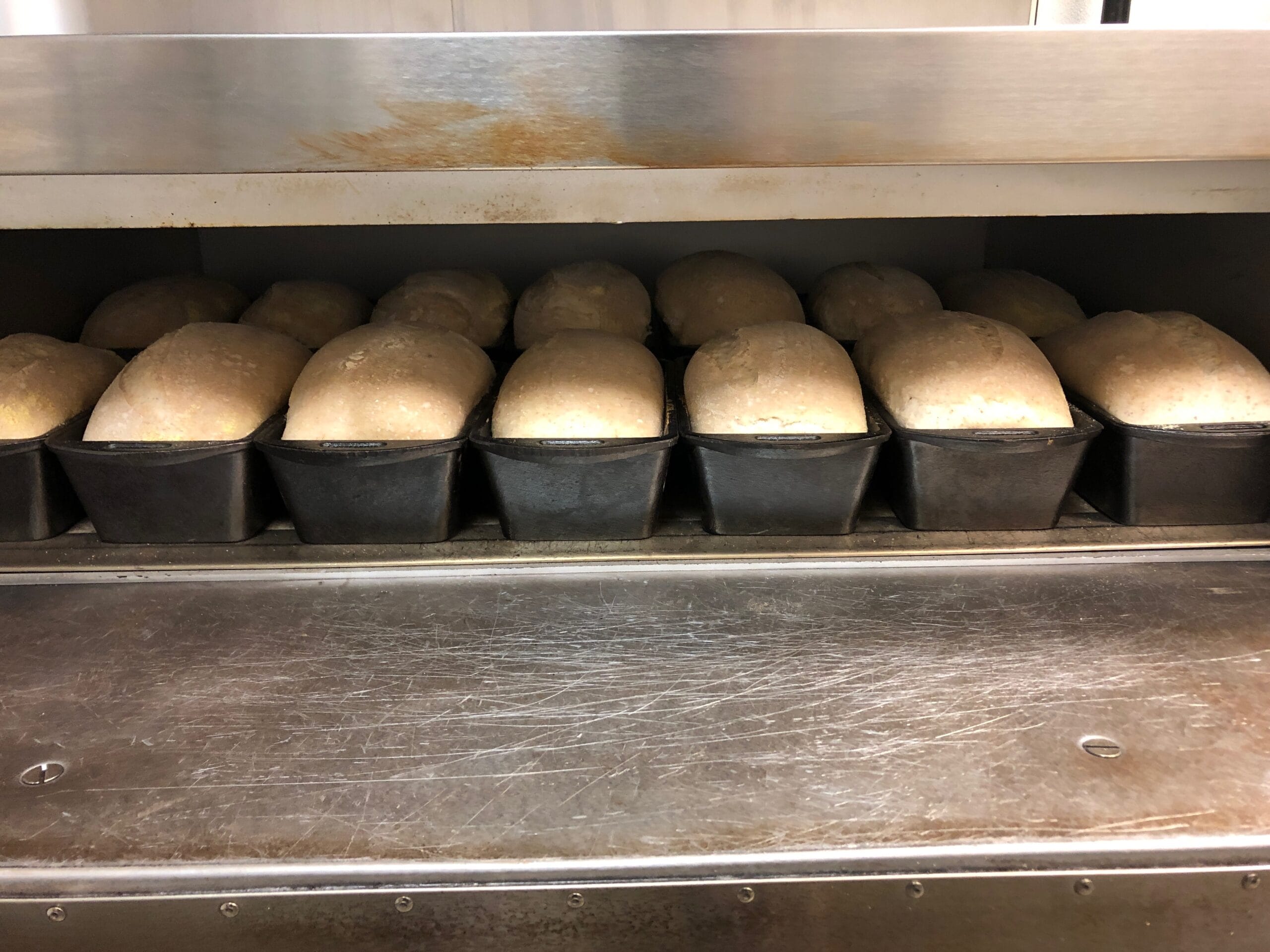
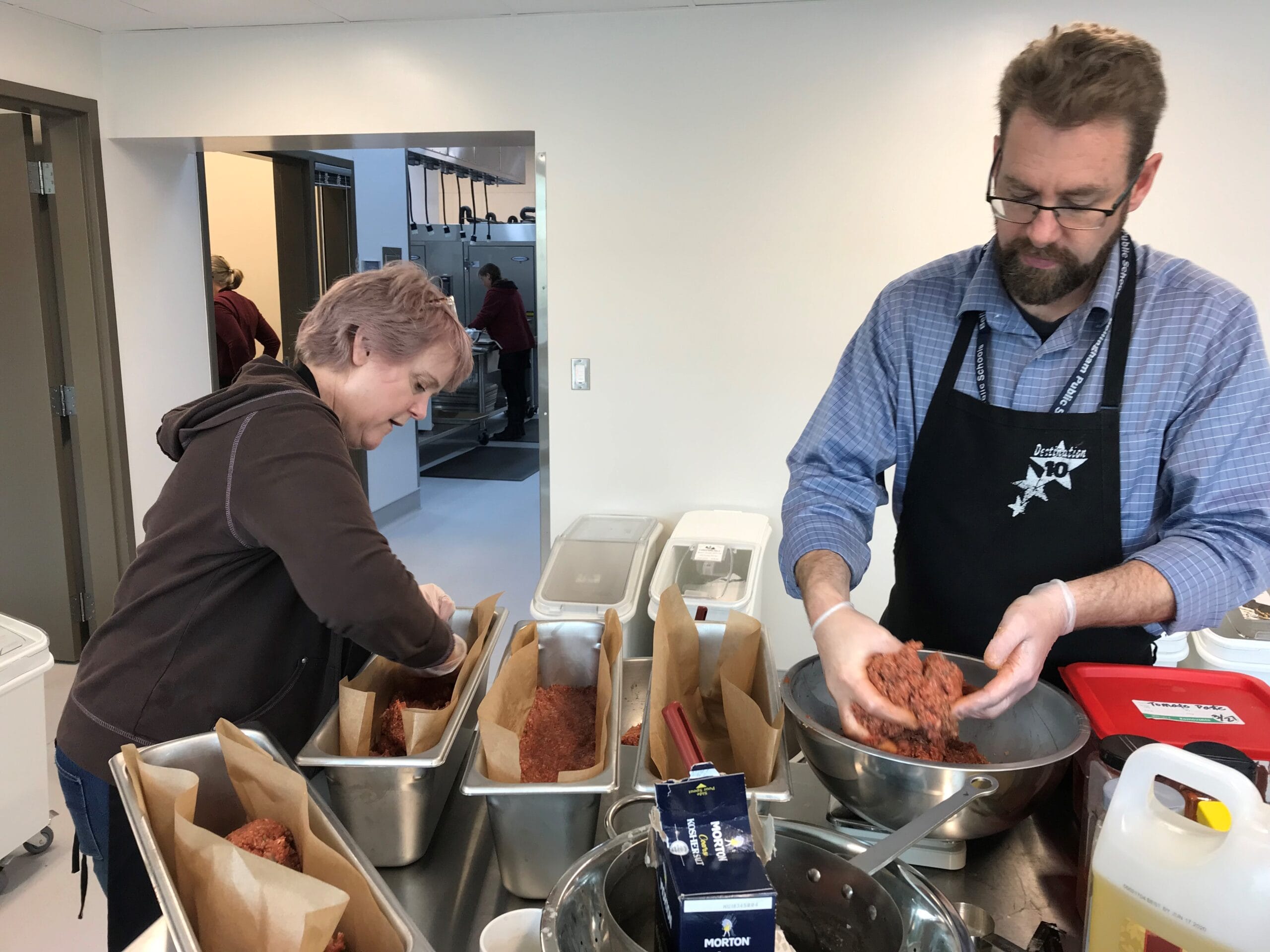
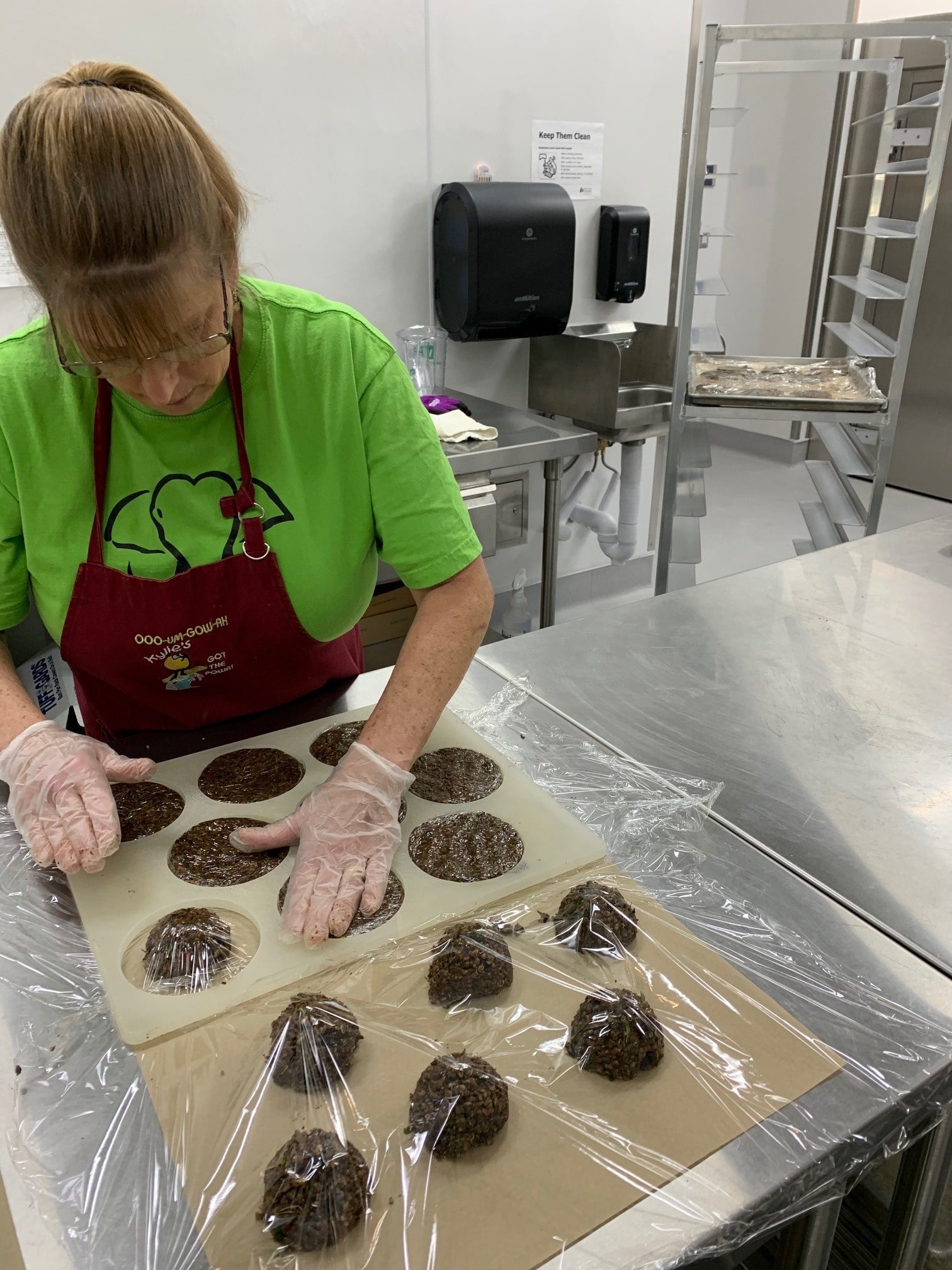
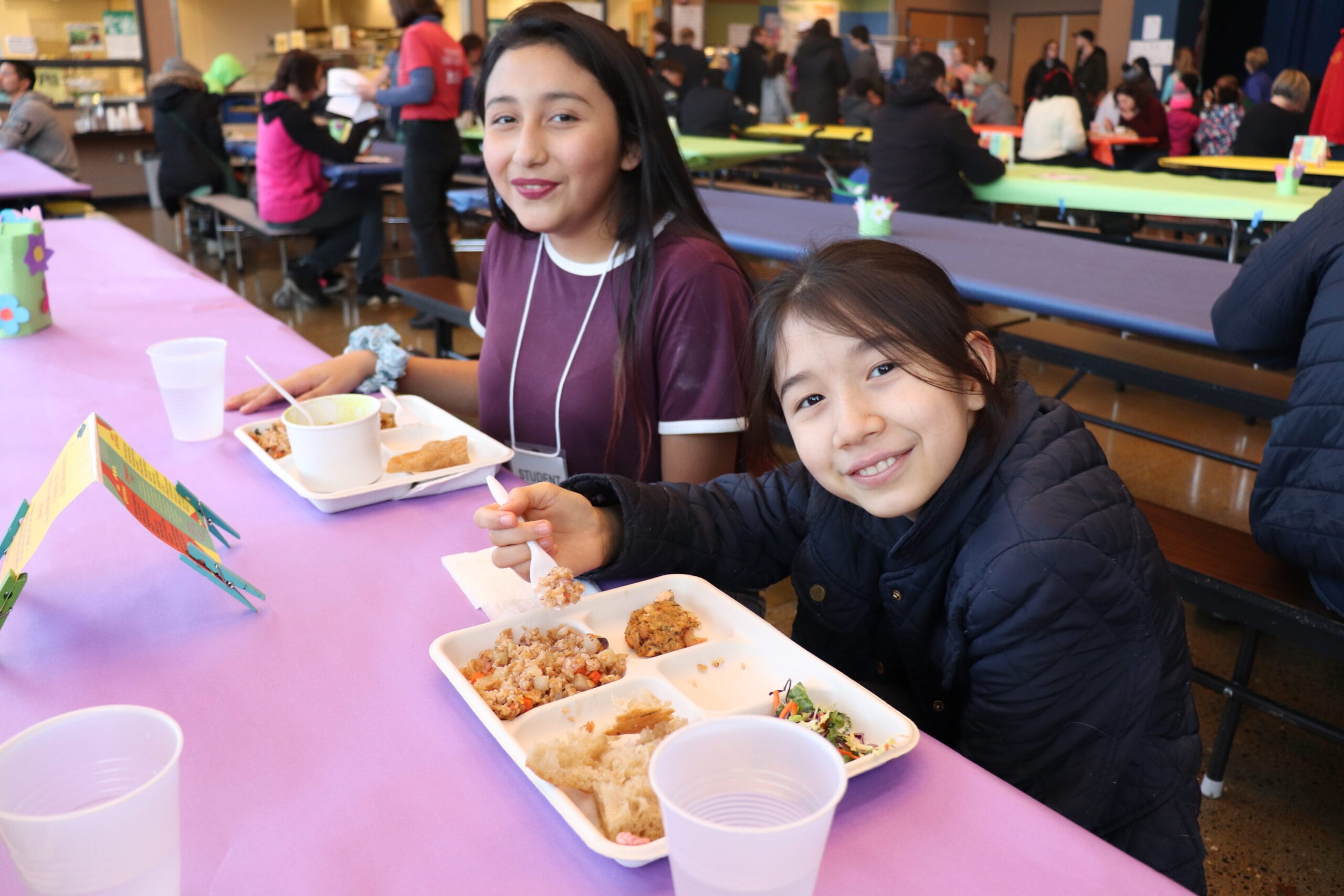
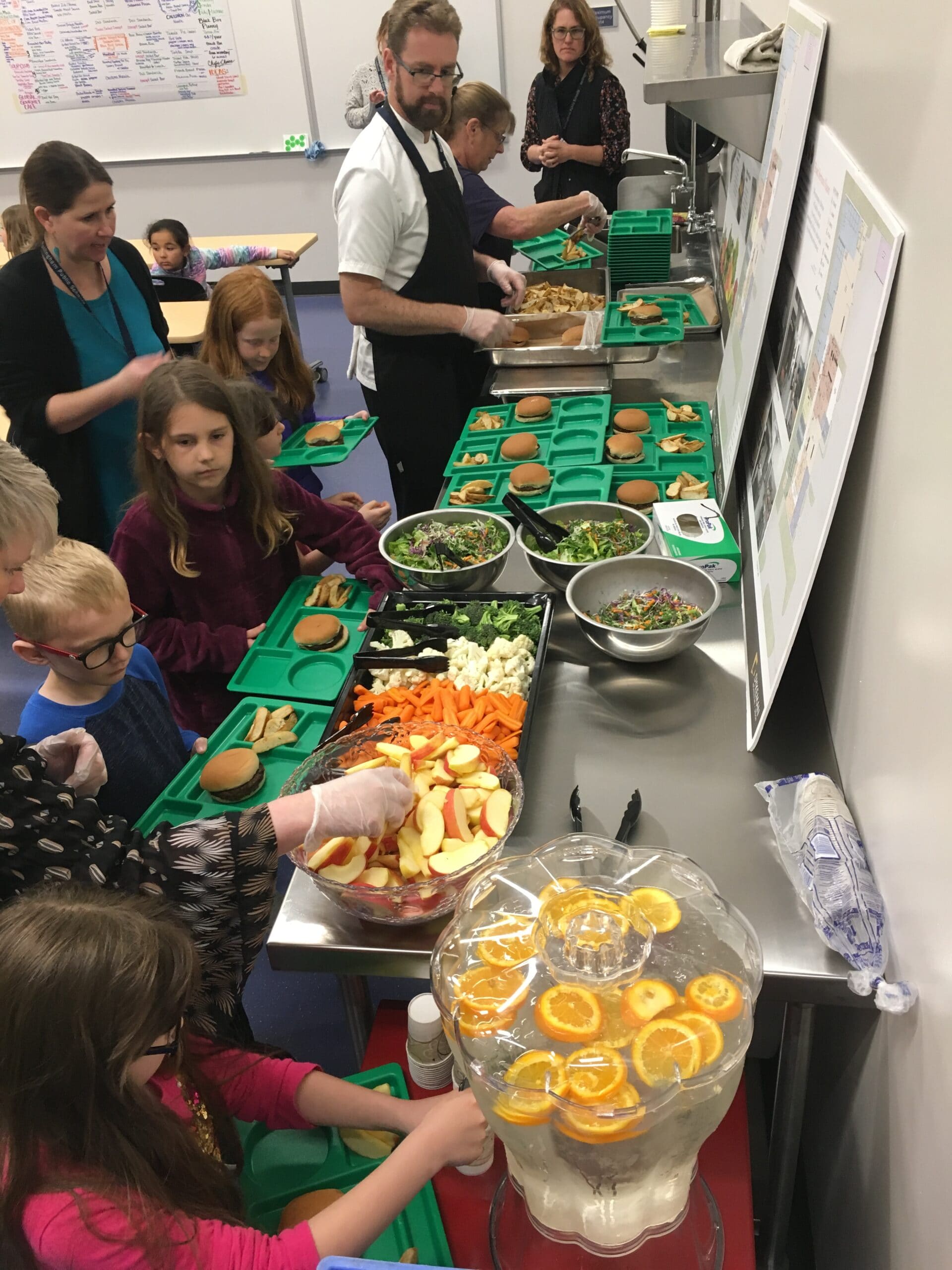 Imagine these items on a menu: Asian Beef Rice Bowl with Broccoli Spring Roll, Chicken Cordon Bleu Sandwich, Chicken Yakisoba. Vegan Chickpea Masala. Sounds like the kind of place you’d want to eat, right? Then imagine those menu items created from scratch using locally and regionally sourced ingredients. It sounds like the lofty goal of a trendy bistro but it is instead the vision the Bellingham Public Schools (BPS) has for its food services program. Called the “Bellingham Good Food Promise,” the mandate seeks to “encourage a lifetime of healthy eating by serving students nourishing, delicious, whole foods in a welcoming environment.”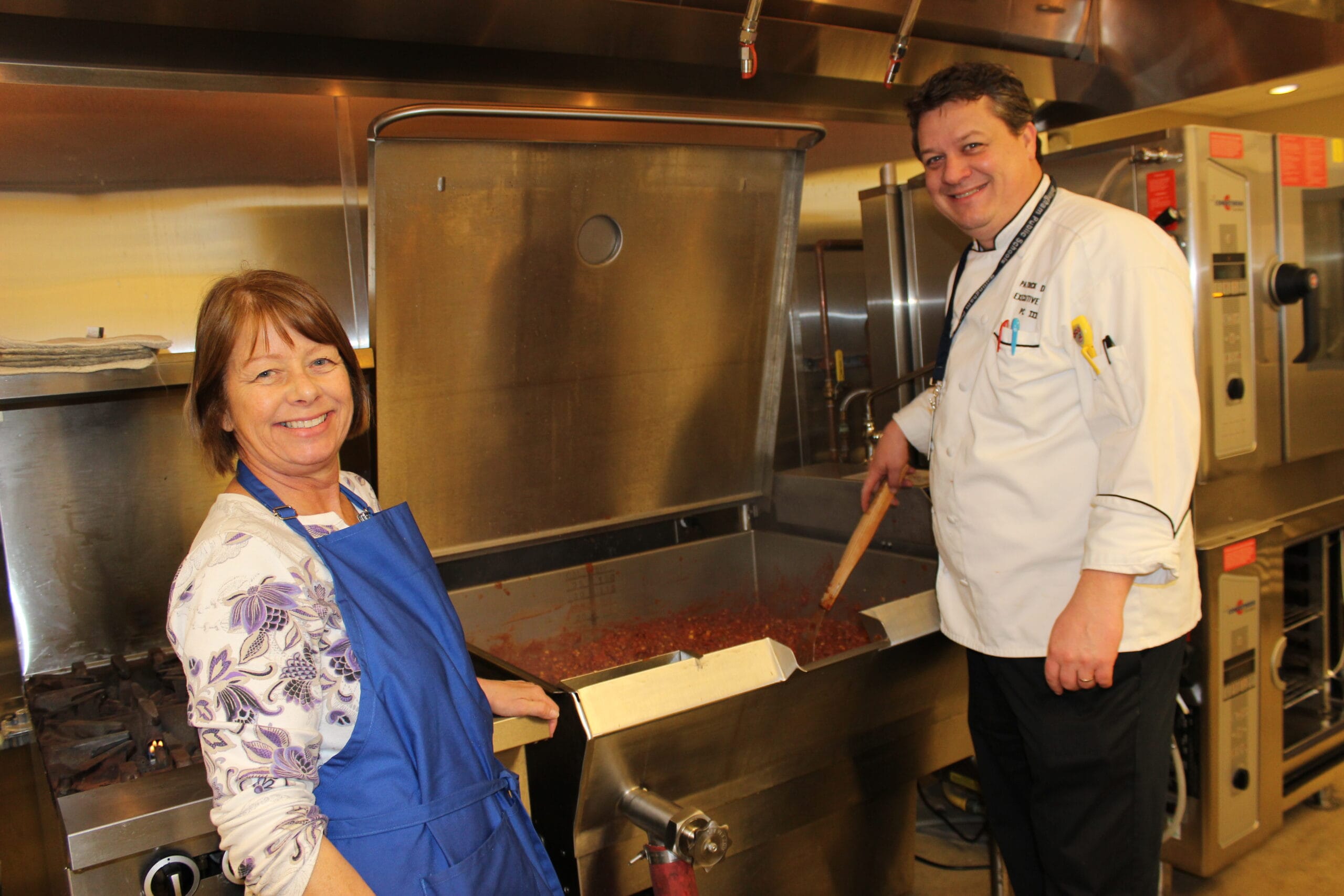
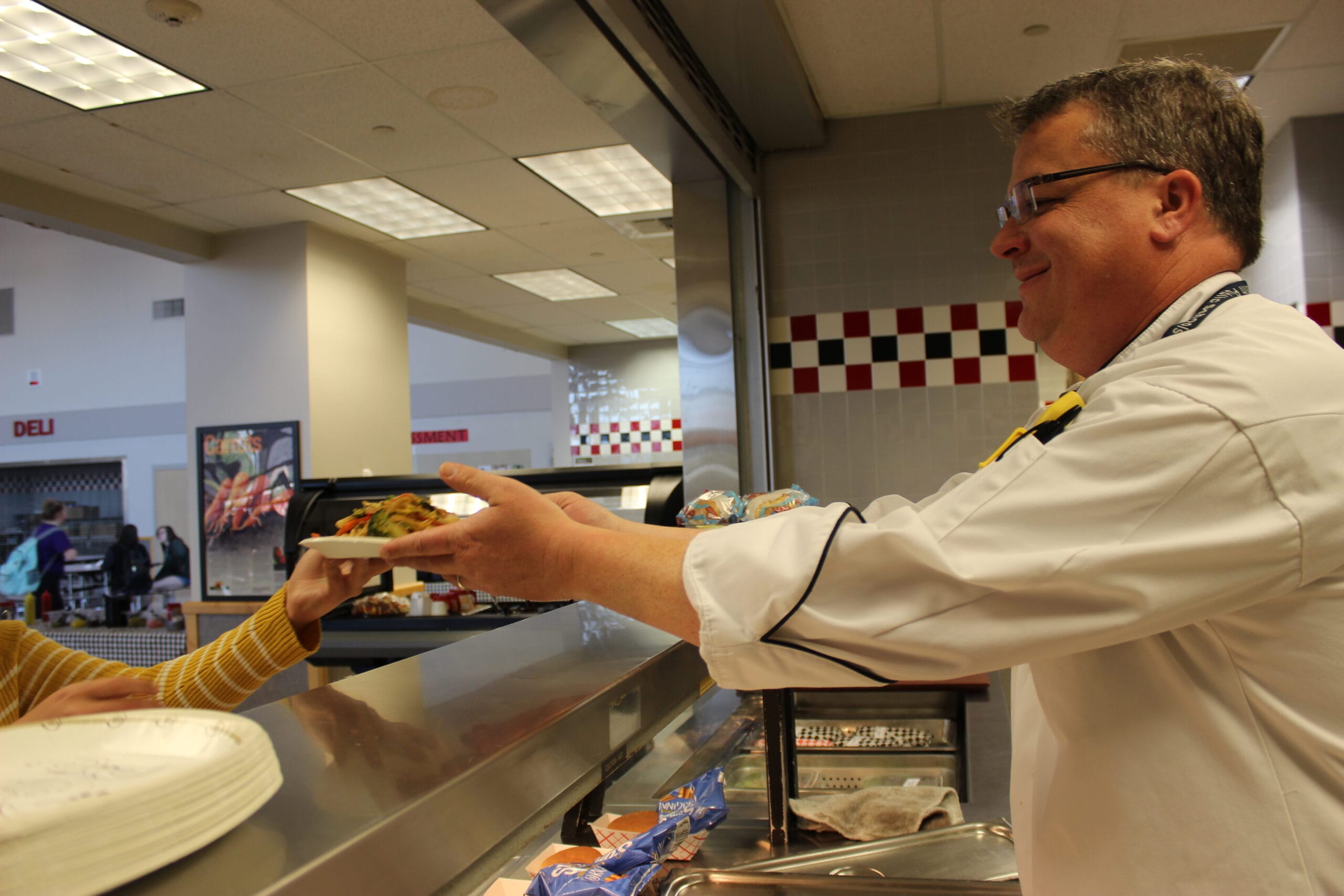 Progress may take time, but changes are noticed. “We celebrate the little things,” says Durgan. “Parents, teachers, staff, and students all were really happy with one of the first initiatives we implemented to get things going in the right direction: a salad bar.” A salad bar is so simple, says Durgan, but it provides so much. “First of all,” says Durgan, “a salad bar allows you to
  Fairly recently, Durgan was thrilled to hire Chef Mataio Gillis, who owns Bellingham’s popular
  School’s out for the summer now, but Durgan and his staff remain busy, serving roughly 16,000 free meals to kids under 18. “It’s a standard bag lunch now,” says Durgan, “but we are hoping to maybe grow our offerings.” Durgan is always asking, “How can we do more? How can we address a need, while still balancing our capacity and our ability to deliver on core things, and our long-term sustainability?” This desire to feed hungry kids was put to the test over the winter, when the BPS had a week of snow days. “We knew there were kids counting on getting meals at school,” Durgan says. “We figured out a way to serve nearly 800 lunches to kids in need. We made things hamburgers and vegan curry. AmeriCorps helped us deliver the meals. Those kids got fed.”
 Unlike restaurants, the BPS is not competing for customers. “Our customers are our students,” says Durgan. This makes the BPS well-positioned to be a leader and a resource in a fairly revolutionary approach to institutional cooking. “We want to share recipes and processes with other school districts,” says Durgan. “We want to be an example. We’ve learned a lot and want to share that knowledge.”


 Interspersed with farming, marrying, and bearing three children, Gibbs started fermenting vegetables and producing three flavors of live sauerkraut as a value-added product for the farm, as well as teaching for WVC and managing the campus greenhouse. It was during her tenure at WVC that Gibbs first encountered
 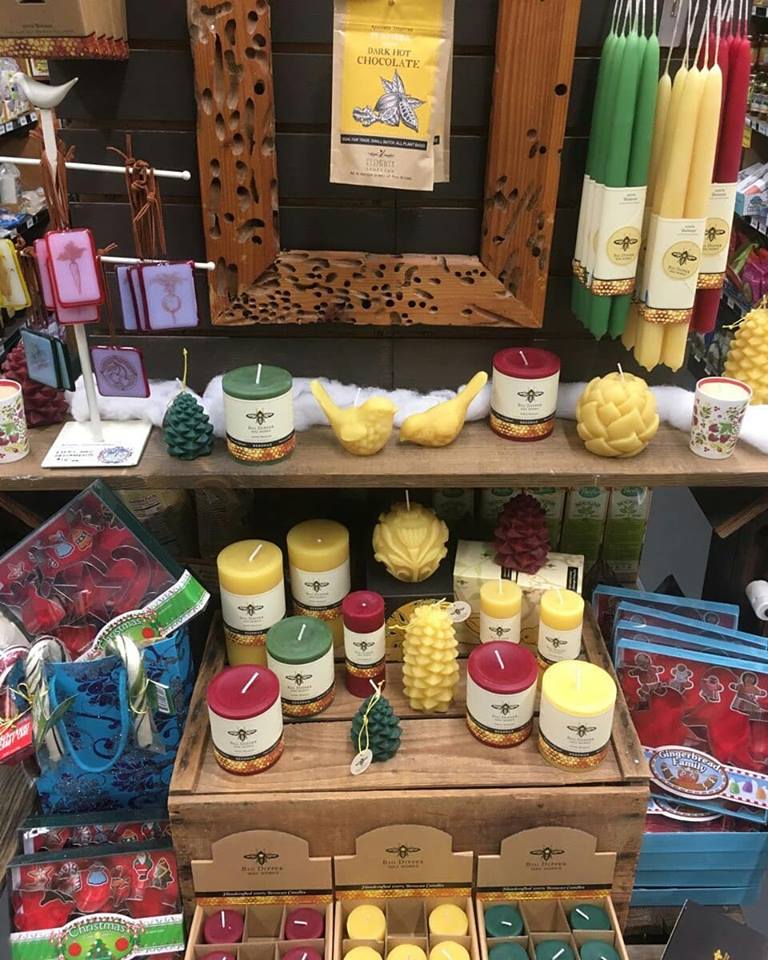 Sage Mountain Natural Foods is a feast for the senses for anyone who visits, from local to tourist, and even those just passing through and unlikely to buy the ingredients to make a meal from scratch can find many delights to take home, from soaps to wildflower mixes to gifts to deli and bakery treats. Local shoppers can stock up on everything from bulk cleaning and beauty products to grains to dairy to produce. And shop for produce they have indeed. Gibbs says “Our produce sales are six times what they were when I first bought the store.”
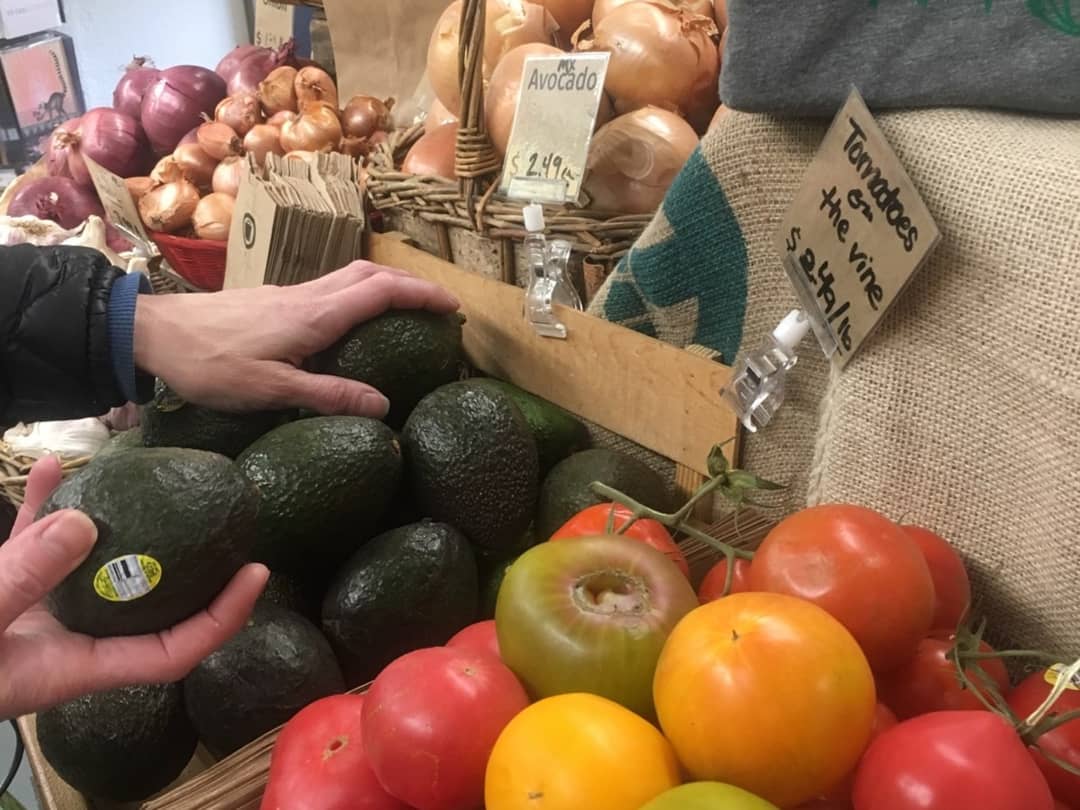 To support the store’s increased emphasis on produce, Gibbs also installed a new cooler and assigned produce to a larger area. She keeps prices low by participating in a natural food cooperative that gives her access to steeper discounts on fruits and vegetables. And, Gibbs says somewhat apologetically, “I do the produce myself. I like to control the display and how it looks.” She is, however, training another store employee to pinch-hit for her on occasion. “We have the best produce in town and people come in for that,” Gibbs says, adding that “Dan’s Food Market [another local grocer] also has a great selection.”
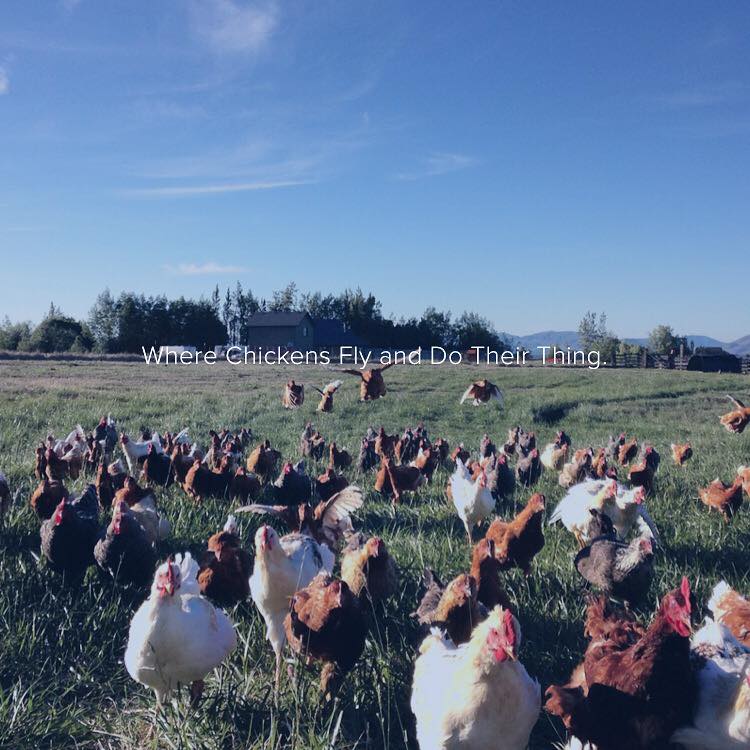 “We believe that farmers are an essential part of a healthy community,” Gibbs continues, “and we want to keep our farmers viable. We also want to keep the money in our local economy. So we buy from local farmers as our first option, and Charlie’s [an independent regional produce company] next, then other Pacific Northwest growers, then California growers.”
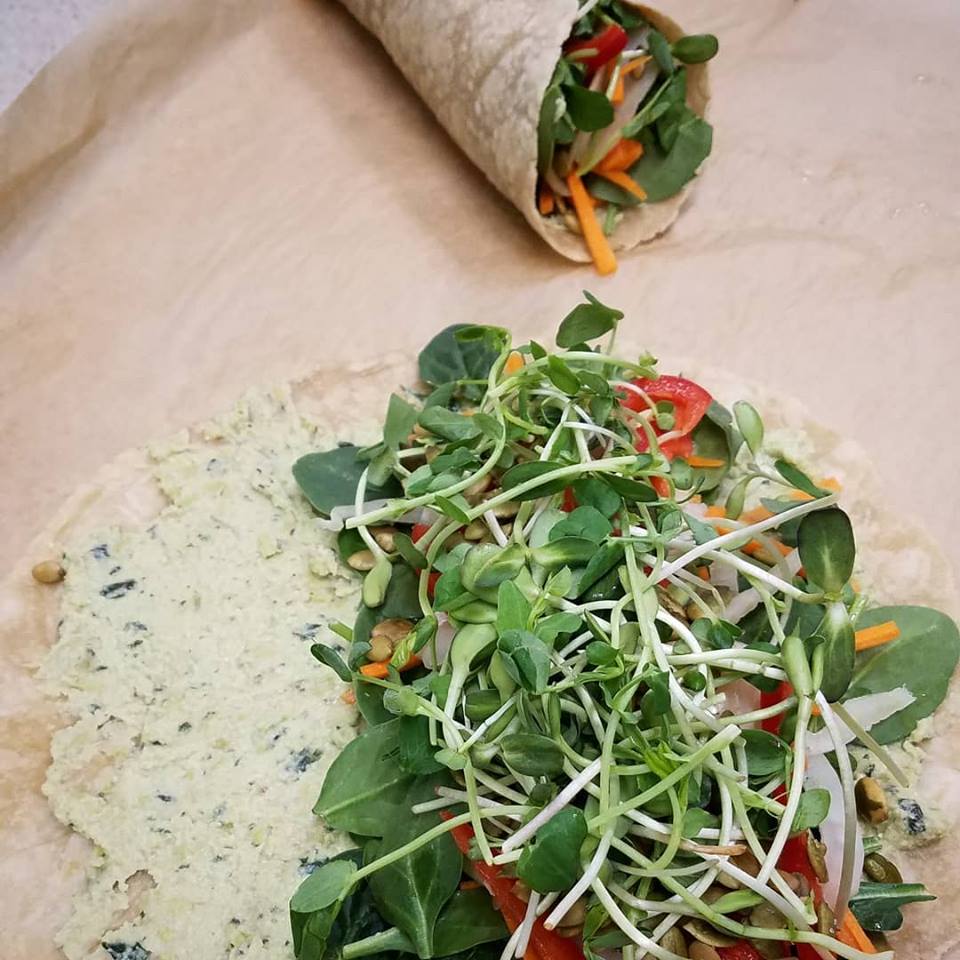 Through her work at Sage Mountain, Gibbs has learned how many people really do cook from scratch, despite popular impressions that Americans are all about quick and easy these days. “We’ve offered quick meal packages,” Gibbs says, “but we don’t sell a lot of them. People are buying really basic ingredients from us.” Some of those basic ingredients are somewhat surprising, like
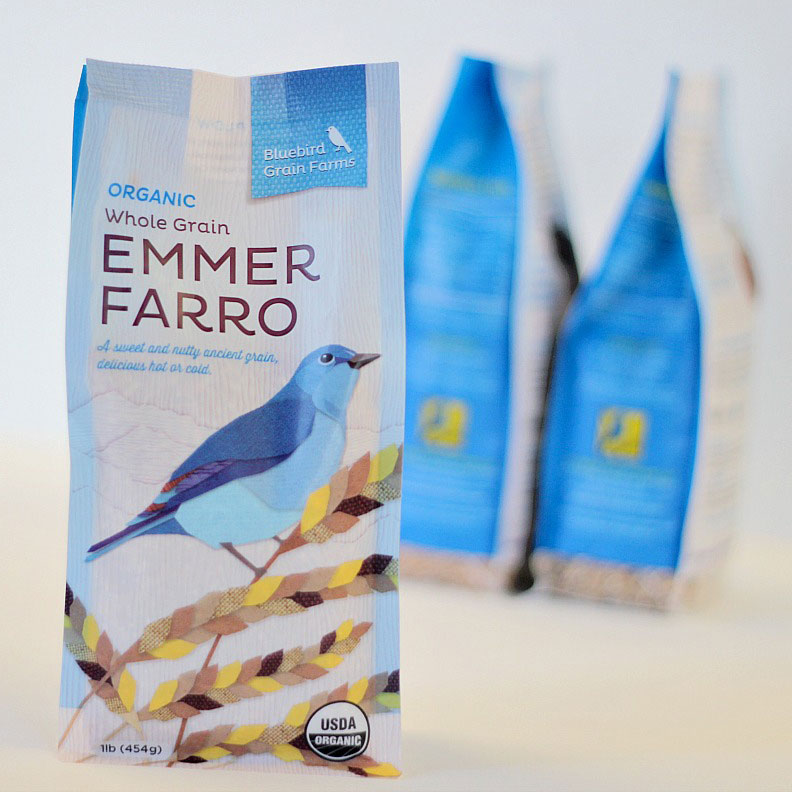 Lane became acquainted with
 Davis grew up in the kitchen with her grandmother and says that her grandfather always had an impressive tomato garden, giving her an early taste for the perfection of a home-grown, sun-ripened tomato: a product rarely found in large mainstream grocery stores but readily available in season in co-ops like Sno-Isle. Although her immediate family was not focused on local or organic foods, says Davis, “they did put a lot of energy into preparing whole foods for the family to enjoy together. Those hours spent in the kitchen as a young person undoubtedly shaped my love for food and my desire to improve our food system.”
 Sno-Isle is invested not just in the health and longevity of individuals, but also that of communities. To that end, Sno-Isle offers
 Judy notes that she and Gail routinely substitute
  Judy and Gail’s home on Whidbey Island is not all that far from the Methow Valley as the crow flies, and although delivery service is available, Judy tends to rely on her daughter Susan’s frequent work trips to the west side of the state to keep her supplied in Bluebird Grains. Of the flours, whole grains, and cereals Judy says, “It’s probably the most local product that I know about.”
 We have also added a new social media coordinator position, daughter Larkin Lucy who is managing and developing content for our social media accounts. It is fun to have the younger generation plug into this important marketing role and nice to have “the kids” interested in the business.
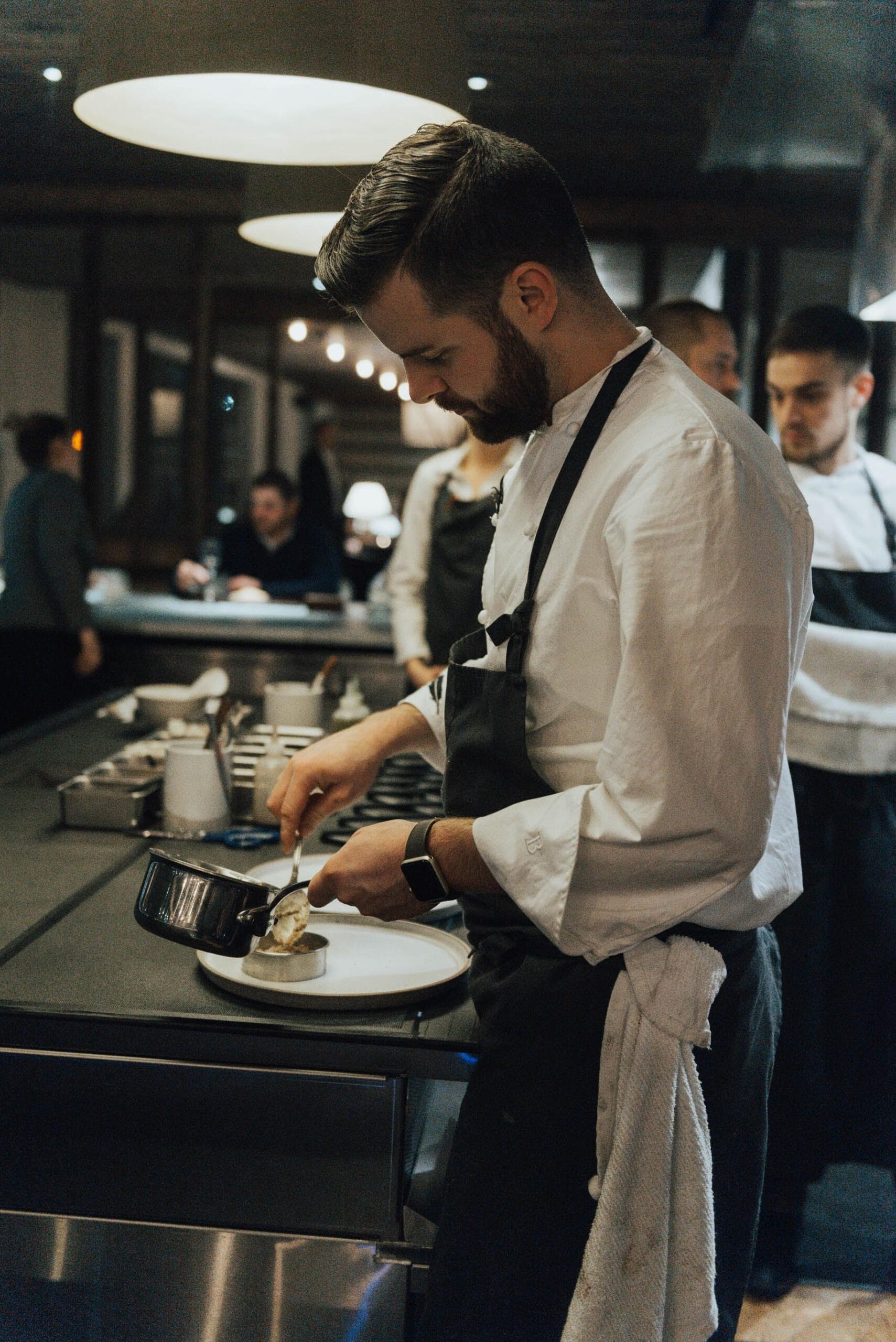 The “farm to table” movement has swept the country by storm in recent years, but for those brought up like Chef Cameron Slaugh (rhymes with “raw”), farm to table isn’t a movement–it is a way of life. Raised on a rural Utah subsistence farm, Slaugh grew up eating gorgeous produce served raw or prepared simply, freshly-laid eggs, and whole grains. So even while his peers were slurping up popsicles as an after-dinner treat, Slaugh found pure pleasure in the form of a warm vine-ripened tomato or a handful of berries for dessert. And at the impressionable age of 8, Slaugh began seeking inspiration in the kitchen, surrounded by the bounty of his family’s farm and the freshest ingredients he could ever hope to handle.
 “Everything really started for me there,” says Slaugh. “I loved the way that everything changed with the seasons at Park Avenue,” he says. “The uniforms, the menu, the dining room decor. It was very refreshing.” Mentoring with the acclaimed Chef Craig Koketsu at Park Avenue, Slaugh learned to maximize the flavors of each season’s freshest available produce.
 But most of all, Eleven Madison’s lasting impact on Slaugh were the lessons he learned about cooking from the heart. “In an intense environment like Eleven Madison you can forget about that,” Slaugh says, “but the best advice I ever got there was to cook with heart and soul. Your technique can be flawless, but the best food has to also be delicious, and you can really only get that if you invest yourself in the process.”
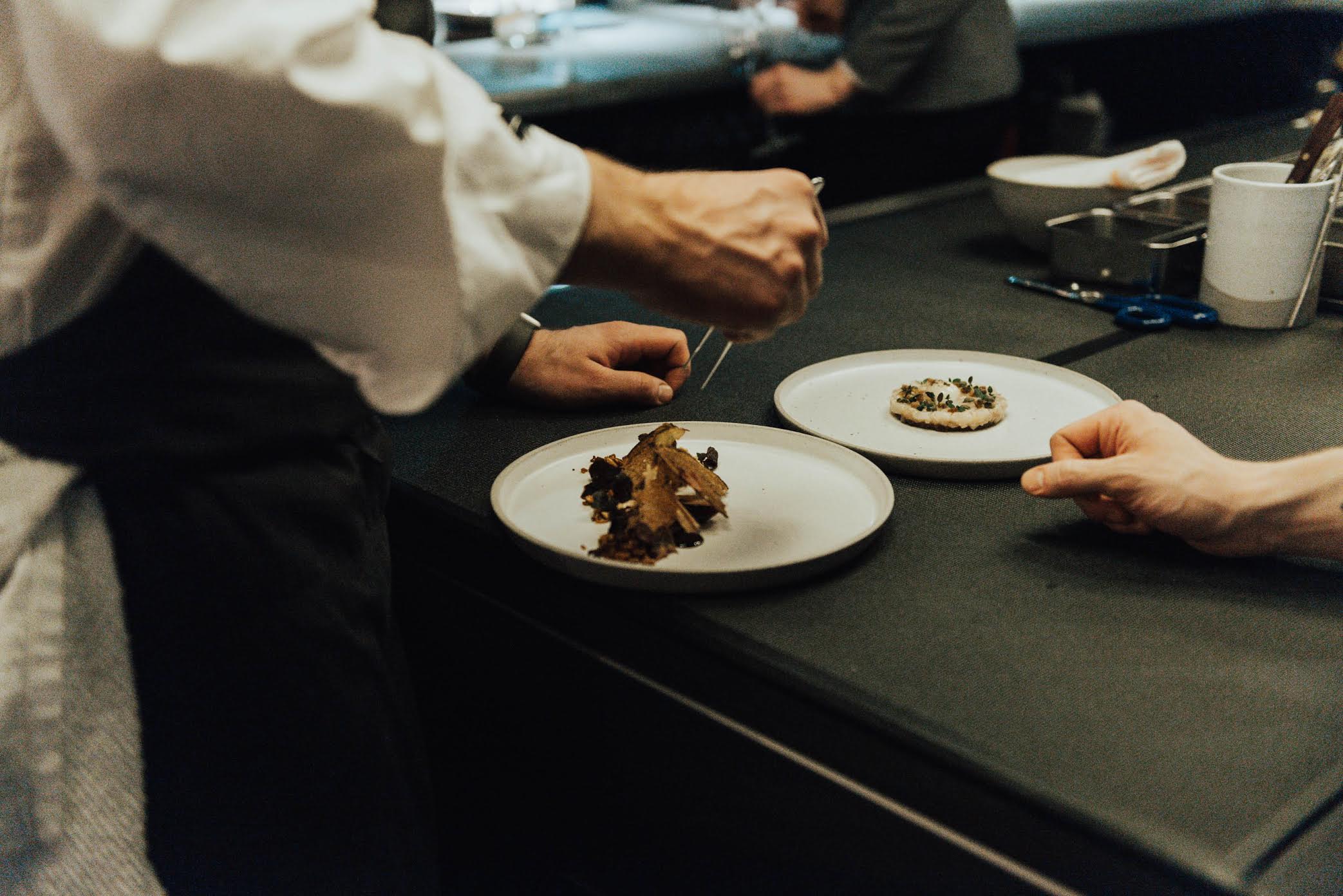 Slaugh and his wife eventually moved back west to his mother’s hometown, Los Angeles, and Slaugh began cooking at
 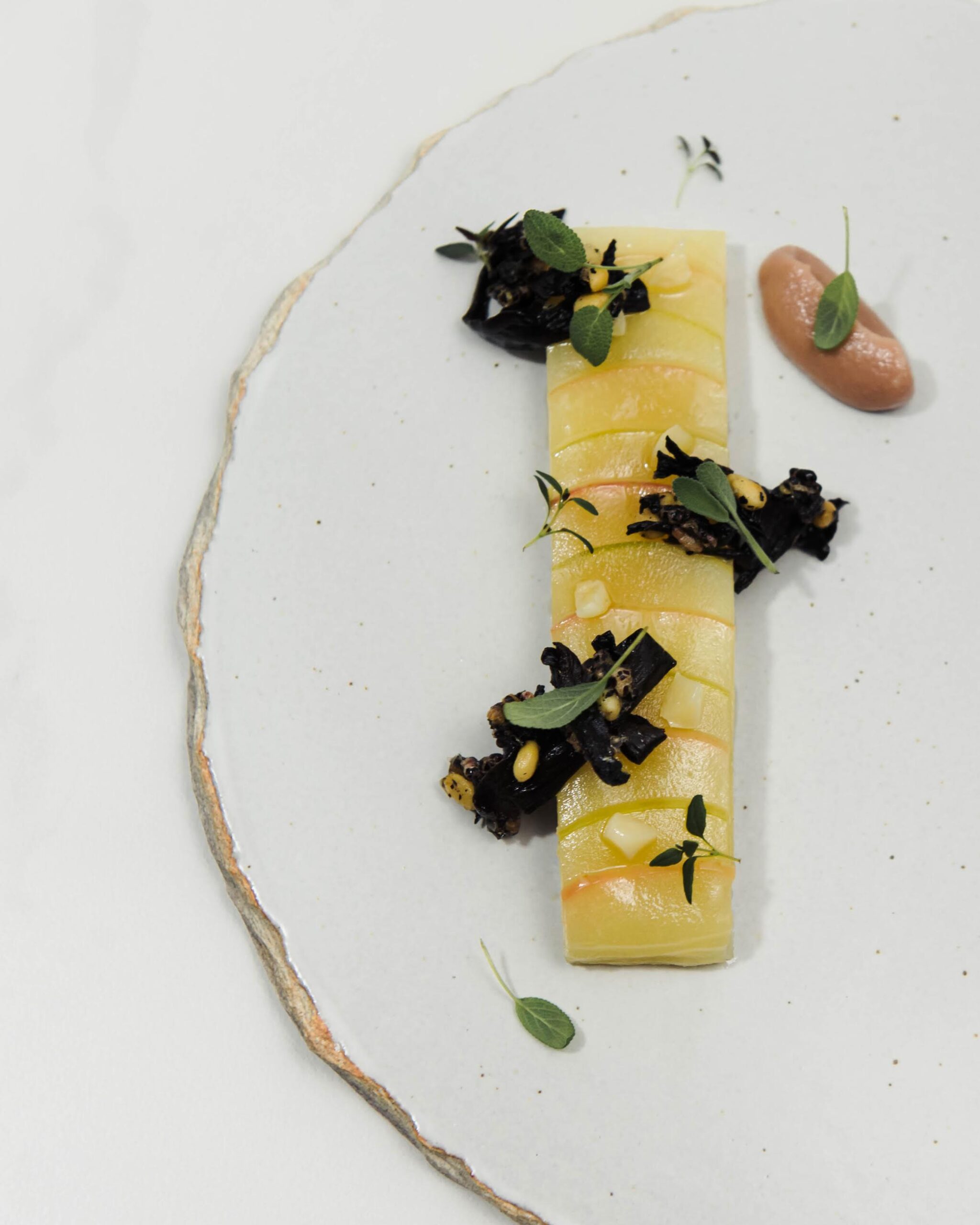 Meanwhile,
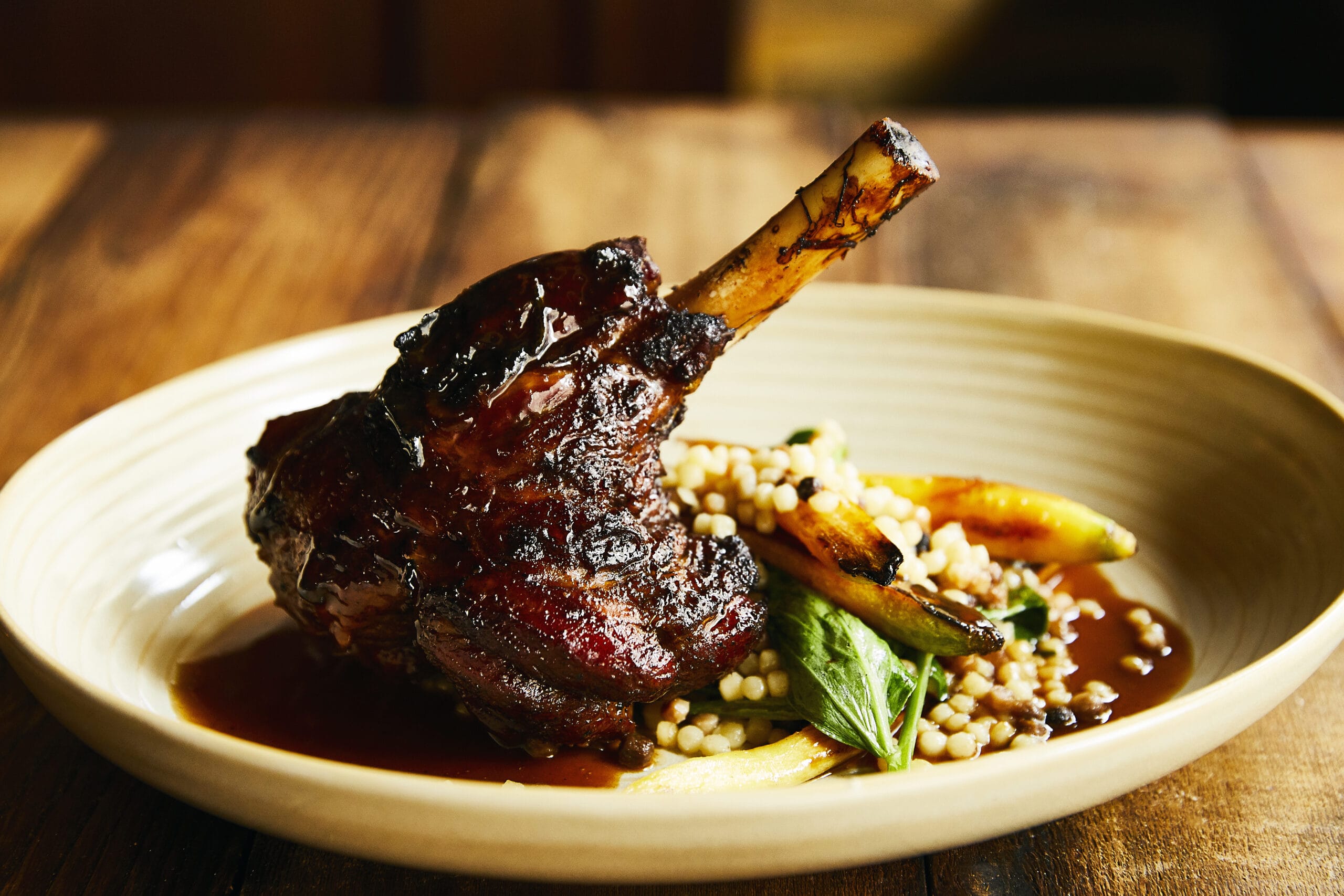
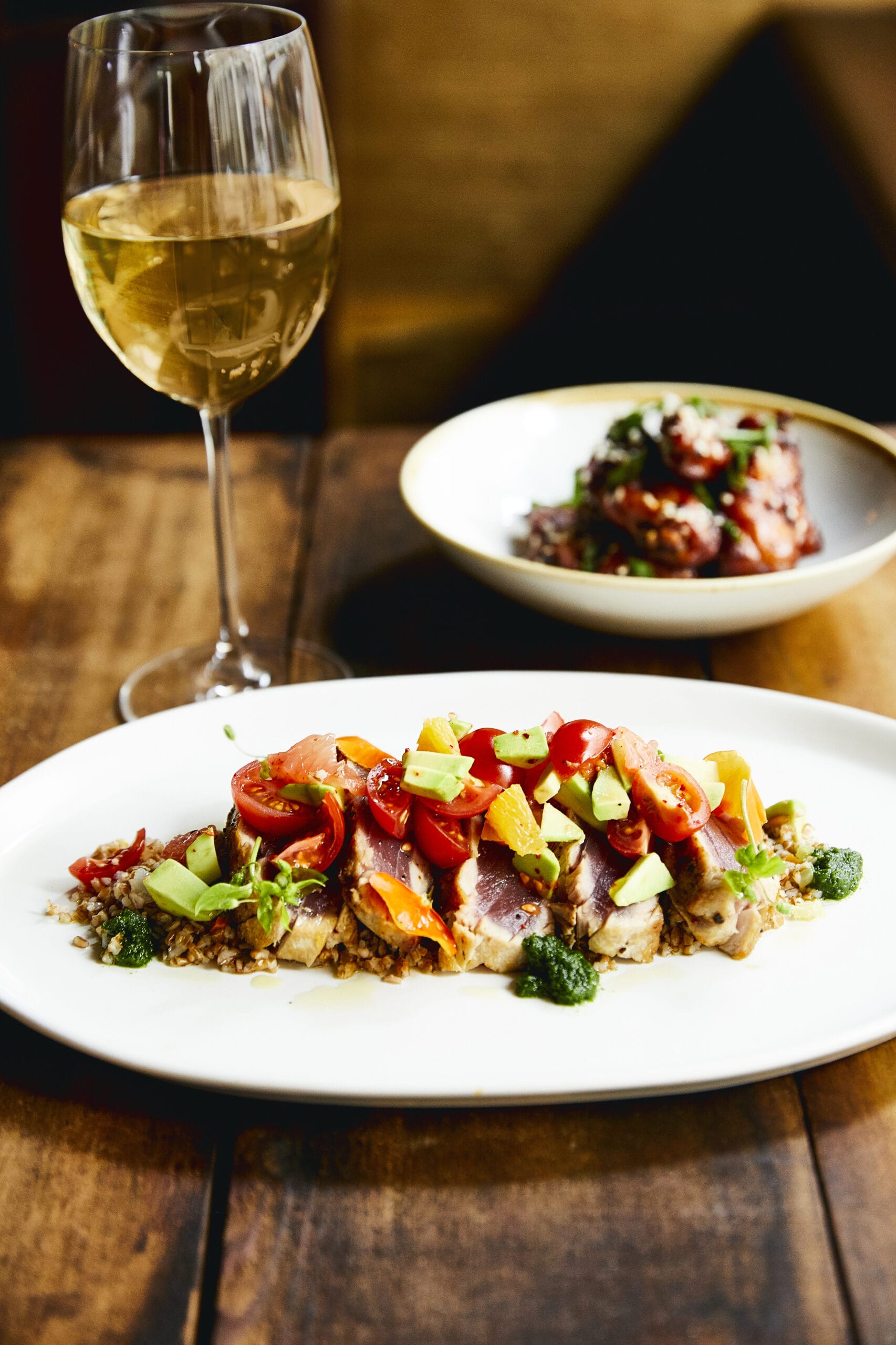
 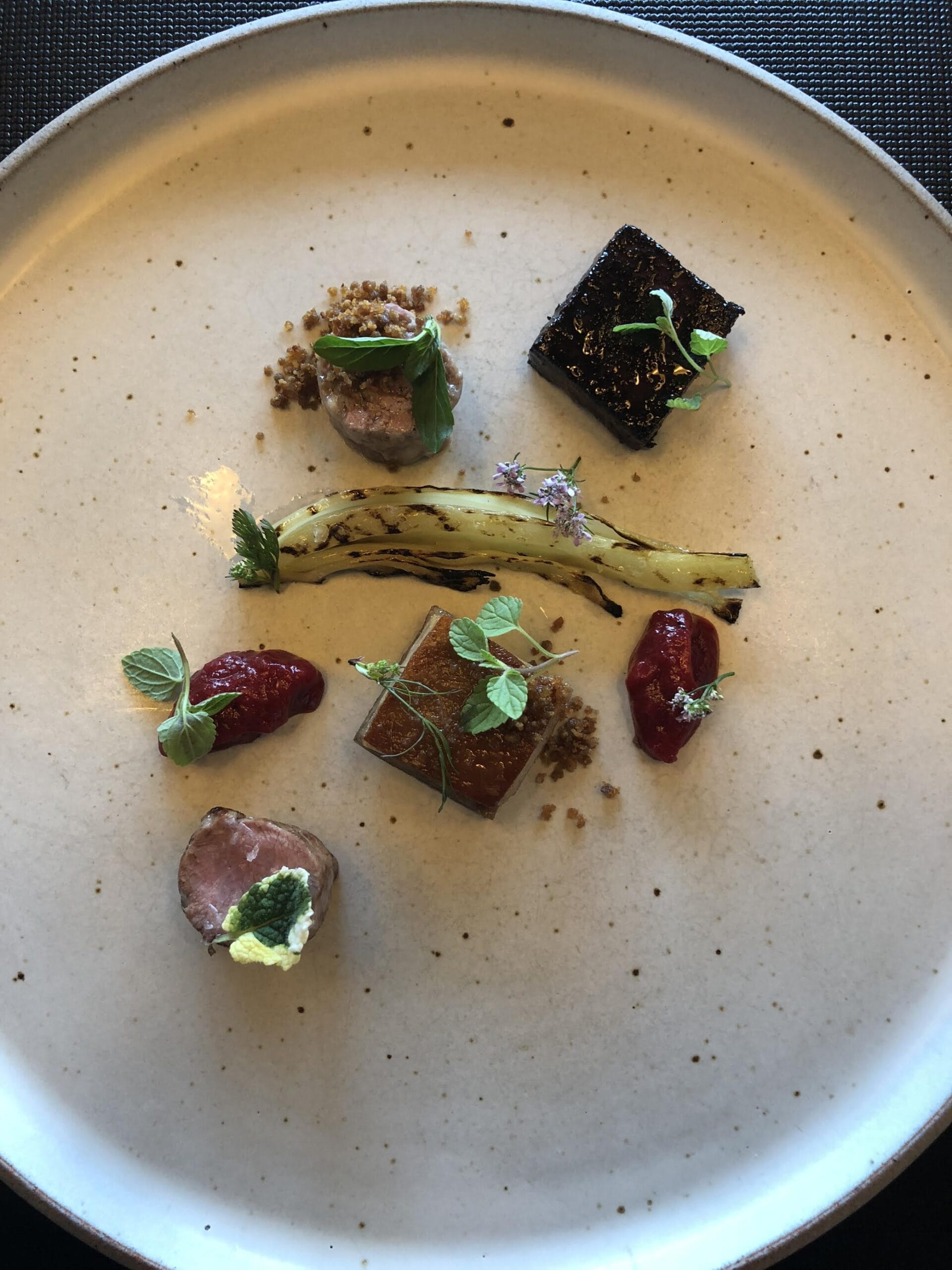 Slaugh continues, “Bluebird sent me some samples–
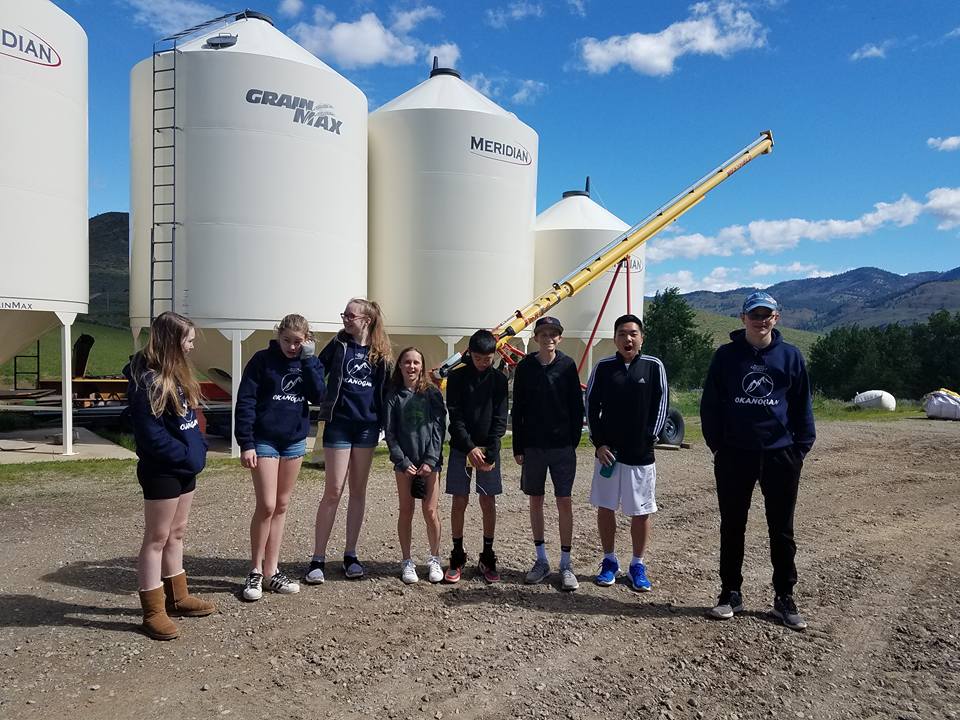
 May is always a busy month for us at Bluebird, but we have been loving the beautiful wildflowers and steady soil moisture in our fields. Our thoughts go out to those who have been adversely affected by the recent flooding in eastern Okanogan County. Thank you to all who work hard to keep our communities safe during events like these! Here are a few notes on what’s been going on at Bluebird the past few months:
 to recover from a race! Stew served over 1,000 of these bowls at the event. If you’d like Dietz Catering to help out at your event in the Methow Valley (they do an amazing job with weddings), you can get in touch